

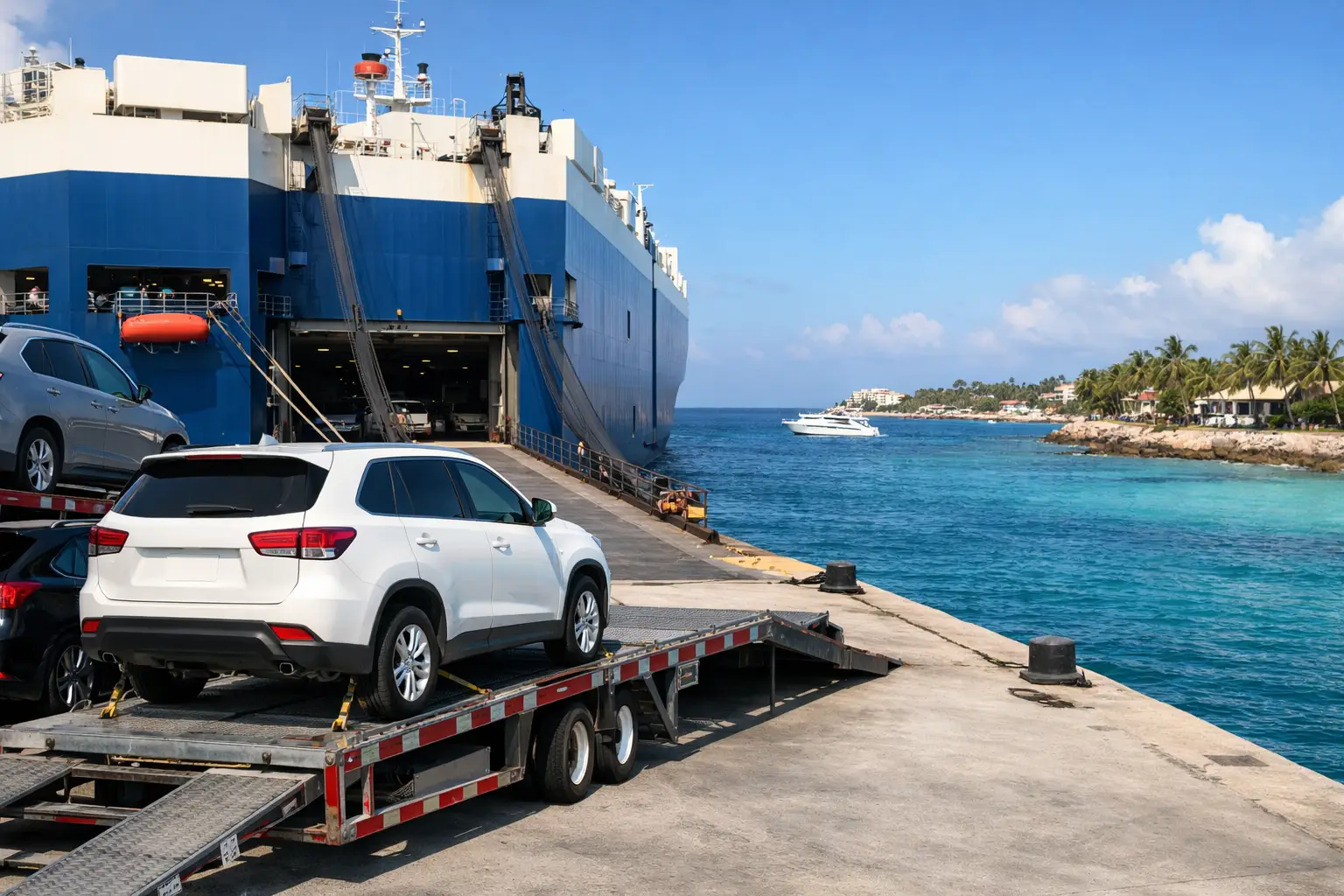
A vehicle can look fully purchased and ready to enjoy, yet the import journey has only just begun. Car shipping from Florida to Cayman Islands involves more than reserving space on a vessel. The right plan protects the vehicle, keeps documentation aligned, anticipates landed costs, and creates a clear path from a South Florida pickup point to delivery in Cayman.
For a daily driver, collector car, luxury SUV, or performance vehicle, the details matter. A small paperwork issue can delay clearance. An unsuitable shipping method can expose a valuable asset to unnecessary risk. Careful coordination turns a complex cross-border move into a controlled, professionally managed process.
Start With the Vehicle and Its Import Eligibility
Before arranging transport, confirm that the vehicle is suitable for import into the Cayman Islands. This early review should cover the vehicle’s age, condition, specifications, title status, and any applicable local registration or compliance requirements. Rules and costs can differ depending on the vehicle type and its declared value, so assumptions based on a prior import or a friend’s experience may not apply to your purchase.
The title deserves particular attention. A clean, transferable title is generally essential, and a financed vehicle may require written authorization from the lienholder before it can leave the United States. If the vehicle was purchased through a dealer, auction, or private seller, the supporting paperwork should match the vehicle identification number exactly. A single incorrect digit can create avoidable questions at export or customs clearance.
It is also wise to establish the complete purchase record before shipping begins. The bill of sale, title, invoice, payment evidence, and identification documents help substantiate the transaction and support the customs declaration. For specialty vehicles, documentation of options, condition, or restoration work may also help establish an accurate value.
Choosing a Shipping Method From Florida to Cayman
South Florida is a practical starting point for Cayman-bound vehicle shipments because of its established Caribbean freight infrastructure. The best method depends on the vehicle, your timeline, your risk tolerance, and the level of handling you expect.
Roll-on/roll-off shipping, often called RoRo, is commonly used for operational vehicles. The car is driven onto the vessel and secured for the voyage. This can be an efficient option for standard vehicles, particularly when schedule and cost are the main priorities. However, the vehicle must be in running condition, and personal belongings generally should not be left inside.
Container shipping provides a more enclosed environment. A vehicle is loaded, secured, and shipped within a container, making it a strong consideration for luxury vehicles, classics, low-clearance cars, or vehicles requiring added protection. Depending on availability and dimensions, a dedicated container or a shared container arrangement may be appropriate. The trade-off is that container shipping can involve different handling stages, scheduling constraints, and higher costs.
For high-value imports, the decision should not be made on ocean freight alone. Consider pickup, terminal handling, loading supervision, marine cargo insurance, destination clearance, and final delivery as part of one controlled process. The least expensive freight quote is not always the lowest-risk choice.
Prepare the Vehicle Before It Reaches the Port
A disciplined pre-shipment inspection creates a record of the vehicle’s condition before it enters the shipping chain. Photograph the exterior, interior, wheels, glass, odometer, and any existing cosmetic marks. For a collector or performance vehicle, detailed images of lower body panels, front splitters, and custom components are especially useful.
The vehicle should be clean enough for inspection, with loose items removed from the cabin and trunk. Alarm settings, keys, fuel level, battery condition, and any mechanical limitations should be communicated in advance. If the vehicle has a very low ride height, modified suspension, nonstandard dimensions, or cannot be driven, those details affect the loading plan and should never be treated as an afterthought.
Marine cargo insurance is another point that deserves a direct conversation. Carrier liability may be limited and may not reflect the actual value of a premium vehicle. Appropriate coverage should be confirmed before the car is released to the carrier, not after an incident occurs.
The Documents That Keep the Shipment Moving
Shipping schedules are visible. Documentation is where many delays occur. The exact documents required can vary by shipping method, ownership structure, and vehicle origin, but the core file typically includes the original title or accepted ownership document, bill of sale, commercial invoice, shipper instructions, identification, and any lender authorization.
The export process may require advance filing and title presentation within specific timeframes. That is why document review should happen well before the vehicle arrives at the port. Waiting until the vessel cut-off date leaves little room to correct a missing signature, resolve a title discrepancy, or obtain a lender release.
At destination, customs documentation must accurately describe the vehicle and its value. Declaring incomplete or inconsistent information can lead to questions, additional review, storage exposure, and delays. Precision protects both the import timeline and the owner’s position with local authorities.
Understand the Full Landed Cost Before You Commit
The purchase price and ocean freight are only part of the cost of bringing a vehicle into Cayman. A proper estimate should account for origin pickup when needed, export handling, port charges, ocean freight, cargo insurance, customs duty and other applicable government charges, customs clearance, storage risk, registration-related costs, and final delivery.
Duties are not a flat assumption for every vehicle. They can depend on factors such as vehicle value, category, age, and current Cayman regulations. Currency treatment and the valuation basis used for customs can also affect the final figure. This is where a detailed import cost review provides more value than a quick freight estimate.
The goal is not simply to identify the lowest projected number. It is to understand which expenses are fixed, which are estimates, what is excluded, and what could change if the vehicle or documents differ from the original information. Transparent planning prevents the uncomfortable surprise of an attractive shipping quote followed by unplanned destination charges.
What Happens When Your Vehicle Arrives in Cayman
Arrival is not the finish line. Once the vessel reaches Cayman, the vehicle must be processed through the appropriate port and customs procedures before it can be released. This stage may include document presentation, assessment of applicable charges, payment coordination, inspection if required, and release authorization.
A well-managed arrival plan reduces the chance that the car sits at the port longer than necessary. Delays can lead to storage costs and create frustration, particularly when the vehicle is needed for a move, a seasonal stay, or a planned handover. Clear communication before arrival means the required funds, documents, and instructions are ready when the shipment lands.
After clearance, the vehicle can be collected or delivered to an agreed location. For customers importing into Grand Cayman, Cayman Brac, or Little Cayman, the final logistics plan should account for the intended island and any onward transport requirements. Final delivery is where careful coordination becomes tangible: the vehicle arrives in the expected condition, with the import process properly completed.
Why Professional Coordination Matters for Premium Vehicles
Importing a vehicle independently can work for an experienced owner with time to manage multiple parties. It also means coordinating sellers, domestic transporters, port operators, ocean carriers, insurers, customs requirements, government payments, and delivery providers. Each party may be competent within its own role, but the owner is left responsible for the gaps between them.
A managed import partner brings those stages into one accountable plan. Waypoint Imports coordinates the process with attention to the vehicle, the documentation, the costs, and the final handover. That approach is especially valuable when the asset is expensive, irreplaceable, newly purchased, or tied to a firm timeline.
Common Questions About Florida-to-Cayman Car Shipping
How long does car shipping from Florida to Cayman Islands take?
Transit time depends on the port schedule, carrier availability, shipping method, export readiness, and destination clearance. The ocean crossing itself is only one part of the timeline. Build in time for document review, vehicle delivery to the port, export processing, and customs release after arrival.
Can I ship personal items inside my car?
Usually, this is not recommended and may not be permitted under the selected service. Personal effects can create customs complications, affect insurance coverage, and create issues during port handling. Confirm the policy for your specific shipping method before loading anything into the vehicle.
Should I buy a car in Florida before confirming import costs?
For a straightforward, lower-value vehicle, buyers may be comfortable proceeding with a preliminary estimate. For luxury, classic, specialty, or high-value vehicles, confirming likely landed costs and documentation requirements before completing the purchase is the more controlled decision.
The best time to organize a vehicle import is before money changes hands and before the car is booked for transport. With the right shipping method, verified documents, and a clear cost plan, your vehicle can move from Florida to Cayman with the care and control a valuable asset deserves.
