

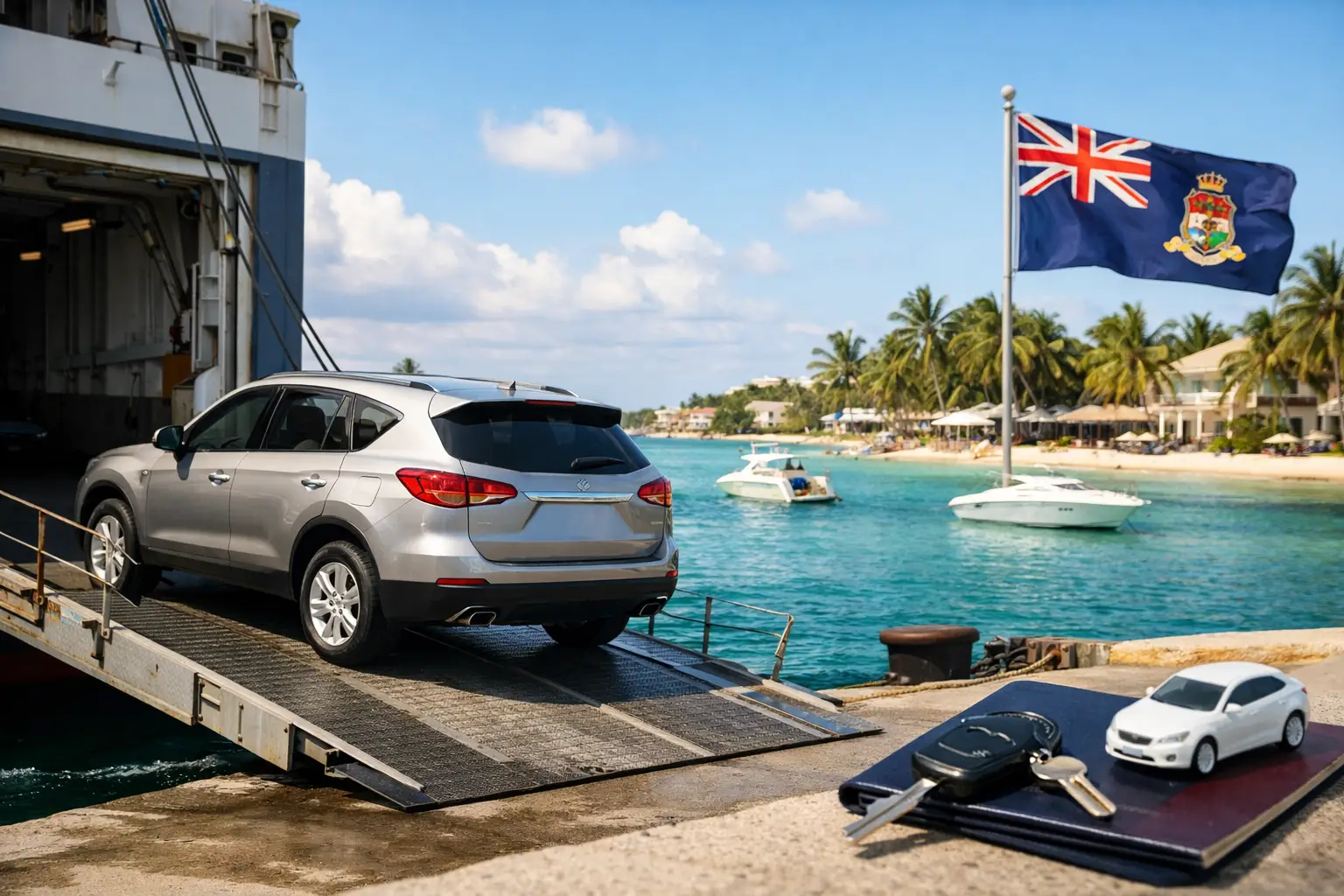
A vehicle can make the difference between feeling newly arrived and properly settled. So, can expats import cars into the Cayman Islands? In many cases, yes. But the right answer depends on the vehicle, its condition and specifications, the documents available, and whether the full landed cost makes sense for your move.
Importing a car is not just a shipping decision. It is a purchase, freight, customs, licensing, and insurance decision that should be considered as one plan. When those stages are organized early, the process is far more predictable.
Can Expats Import Cars Into Cayman?
Expatriates can generally import vehicles for personal use, subject to Cayman Islands import, customs, registration, and road-use requirements. Your residency status alone is not the whole question. The more practical issue is whether the specific vehicle can be cleared, registered, insured, and operated locally.
That is why it is wise to confirm the vehicle’s eligibility before committing to a purchase or arranging transport. Requirements can change, and they may differ based on a vehicle’s age, type, steering configuration, condition, and intended use. A family SUV, an electric vehicle, a classic car, and a commercial pickup may each deserve a different review.
For a relocation, importing can be worthwhile when you already own a vehicle you know well or have found a model that is difficult to source locally. In other situations, purchasing in Cayman may be the more practical route. The decision should be based on the complete cost and the effort involved, not the purchase price alone.
Start With the Vehicle, Not the Shipment
The most useful work happens before the car is loaded. Ask for the vehicle identification number, title status, purchase invoice or bill of sale, and accurate details about its year, make, model, mileage, and condition. If you are buying from the United States, confirm that the seller can provide the original ownership documents required for export and import.
A clean title and clear ownership trail are particularly important. Vehicles with salvage, rebuilt, flood, lien, or incomplete-title histories can create additional questions. They are not automatically the wrong choice, but they should be assessed carefully before money changes hands.
You should also consider how the vehicle will fit daily driving in Cayman. Size matters more than many newcomers expect. A large vehicle can be comfortable, but parking, narrow roads, fuel use, service access, and replacement parts should all factor into the decision. Choosing a popular make and model can make routine maintenance simpler over time.
Confirm local road and registration requirements
Before shipping, check the current requirements with the relevant Cayman Islands vehicle licensing authority. Confirm whether the vehicle’s steering position, lighting, tires, safety equipment, age, and general roadworthiness meet local standards.
Cayman drives on the left. That makes vehicle configuration a meaningful consideration, especially when importing from the United States. Do not assume a vehicle that is legal to drive in its country of purchase will be ready for registration in Cayman without review. Verify the current rules for your exact vehicle before it leaves the seller or auction location.
Build a Realistic Import Budget
The number that matters is the landed cost: what the vehicle costs once it is in Cayman and ready for use. This includes more than the purchase amount.
Your planning figure should account for the vehicle price, inland transportation to the departure port if needed, ocean freight, marine insurance if selected, customs duties and applicable government charges, customs clearance, port and handling charges, local delivery or collection, registration, inspection, and insurance. Currency conversion can also affect the total when the purchase is made in U.S. dollars or another foreign currency.
Customs charges are typically assessed using the vehicle’s declared value together with relevant freight and insurance costs. The duty rate and any applicable fees should be confirmed for the vehicle category and current rules rather than estimated from a previous import. An incomplete or artificially low invoice is not a shortcut. It can slow the clearance process and make cost planning less reliable.
A transparent estimate gives you a useful comparison: import the vehicle, or buy locally. It also gives you room to make a practical choice about optional services, such as enclosed transport within the United States or additional marine coverage for a high-value vehicle.
Prepare Documents Before the Car Ships
Documents are easiest to manage when they are collected while the seller is still available. At a minimum, you will usually need proof of ownership, the purchase invoice or bill of sale, photo identification, and vehicle details. Depending on the origin, vehicle status, and shipping method, additional export or authorization documents may be required.
Keep every document consistent. The owner name, vehicle identification number, and purchase details should match across the title, invoice, shipping record, and customs paperwork. A one-digit mismatch in a vehicle identification number can take time to resolve once the vehicle is already in transit.
Digital copies are helpful, but original documents may still be necessary for certain steps. Store originals securely and upload clear scans to your shipment record as early as possible. This allows the logistics and customs review to begin before the vessel arrives.
Choose the shipping method that fits the vehicle
Most vehicles move by roll-on/roll-off service or in a container. Roll-on/roll-off is designed for operable vehicles that can be driven on and off the vessel. Container shipping may suit vehicles that need added protection, do not run, are being shipped with permitted related items, or require a different origin-routing arrangement.
Neither option is automatically right for every car. The route, vehicle condition, departure location, sailing schedule, and handling requirements all matter. A vehicle should also be clean, free of loose personal items unless explicitly permitted, and prepared according to the carrier’s rules. Fuel levels, battery condition, alarms, keys, and any visible damage should be documented before handover.
Photograph the vehicle from all sides, including the interior, odometer, wheels, and vehicle identification number. This is a sensible record for any international shipment and helps establish its condition at origin.
What Happens After Arrival?
Once the vehicle reaches Cayman, it must move through port handling and customs clearance before it can be released. This is where complete documentation and an accurate declared value support a more orderly process.
After clearance, the next steps generally include any required vehicle inspection, registration, licensing, and insurance before the car is used on public roads. Timing varies. A vehicle can arrive before every local requirement is complete, so it is sensible to plan transportation accordingly rather than assuming it can be driven immediately.
This is also where visibility matters. A good import plan should let you see when the vehicle has been received, loaded, sailed, arrived, cleared, and released. Waypoint Imports coordinates vehicle shipping and customs clearance through one account, helping customers keep documents, shipment updates, costs, and next steps in one place.
Common Decisions That Deserve Extra Attention
A few choices have an outsized effect on the experience. First, do not buy based only on an online listing. Request detailed photos, a vehicle history report where available, and an independent inspection for higher-value purchases. Second, do not wait until the car is at port to find out whether the title is available or whether local registration requirements apply.
Third, be realistic about timing. Ocean schedules, port activity, document reviews, inspections, and government processing can affect the final release date. Build flexibility into your relocation plan and keep temporary transportation in mind.
Finally, think beyond arrival day. The best imported vehicle is one you can comfortably insure, service, park, and enjoy in Cayman. A slightly less ambitious choice may prove more convenient over the years you live here.
Importing a car as an expat can be a well-managed part of a Cayman move when the vehicle is checked early, the costs are fully mapped, and every document is ready before shipping. That preparation gives you a clearer decision and a calmer arrival.
