

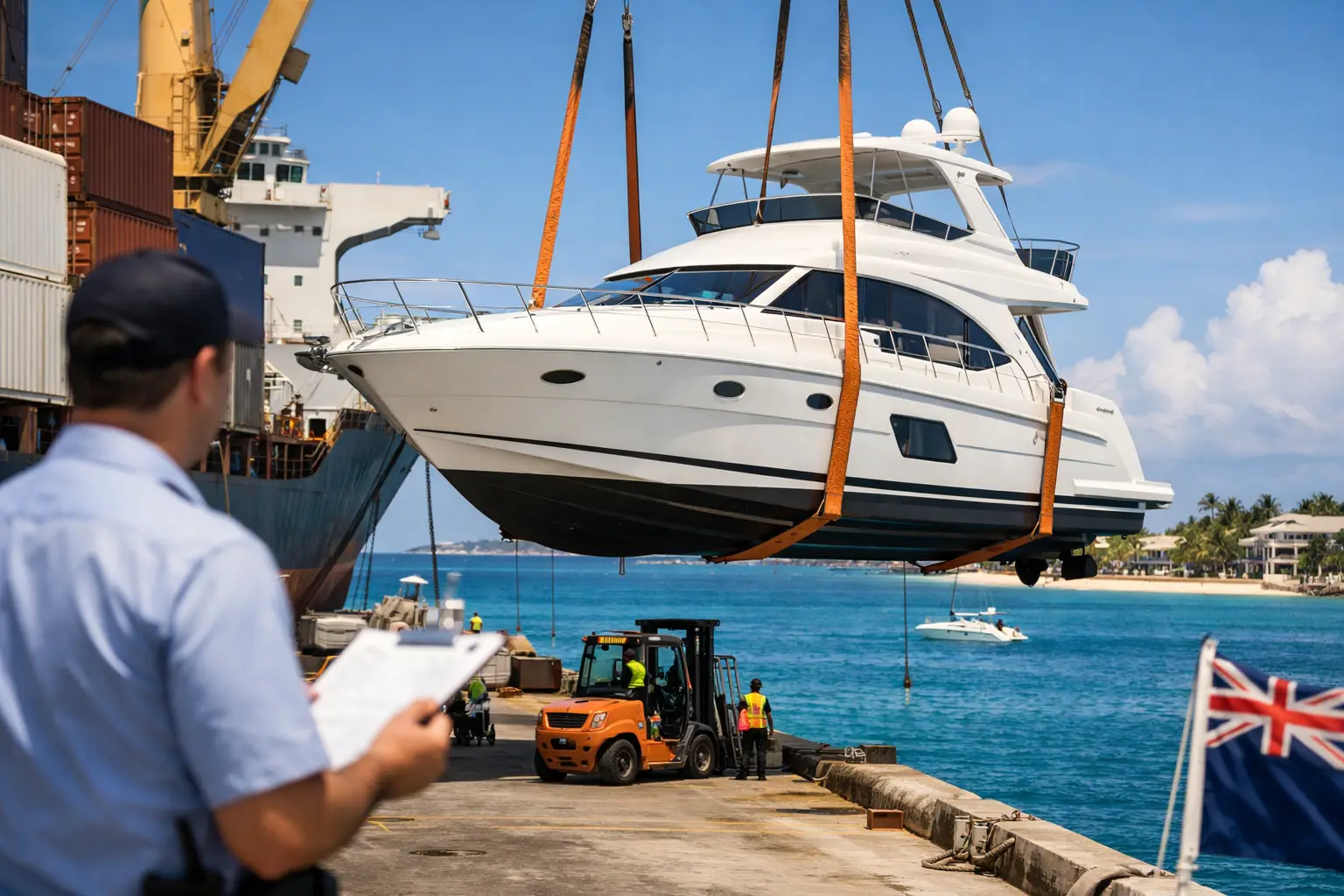
A boat can look perfect on a listing in South Florida and still become an expensive problem before it reaches Cayman. The purchase price is only one part of the decision. If you are learning how to import a boat, the real work is confirming the vessel, planning the shipment, preparing customs documentation, and accounting for every landed cost before money changes hands.
For a center-console, tender, sportfish, sailboat, or yacht, the process should be treated as an asset-protection exercise, not simply a freight booking. A disciplined import plan gives you control over timing, cost, compliance, and the condition in which your vessel arrives.
How to Import a Boat With a Clear Plan
The most reliable approach is to begin before you buy. Once a seller has been paid and a vessel is sitting at a marina, rushed decisions can limit shipping options, add storage charges, or expose gaps in paperwork. Early planning gives you time to evaluate whether the boat is right for Cayman waters and right for your budget.
Start with the vessel itself. Confirm the year, make, model, hull identification number, engine serial numbers, dimensions, fuel type, ownership history, and current location. Request clear photographs, service records, title documents, and details of any finance lien. A professional pre-purchase survey is often money well spent, particularly for a used boat or a higher-value vessel. It can identify structural concerns, moisture intrusion, engine issues, damaged electronics, or work that will affect the true cost of ownership.
This is also the point to consider practical fit. Beam, draft, overall height, trailer dimensions, and lifting requirements can affect how the boat is transported and where it can be kept after arrival. A vessel that is competitively priced in the United States may be less attractive once modification, transport, import charges, and local marina requirements are factored in.
Confirm Ownership and Export Documents
Clean ownership documentation is essential. The exact documents depend on the vessel and where it is being shipped from, but the file commonly includes a signed bill of sale, title or registration, proof that any lien has been released, seller identification, purchase invoice, and specifications for the vessel and engines.
Avoid accepting informal paperwork because the seller is known to you or the transaction feels straightforward. Customs authorities need a clear record of what is being imported, who owns it, and what it was purchased for. Inconsistent names, missing serial numbers, or a value that does not align with the purchase records can create avoidable questions at clearance.
If the boat is being purchased through a broker, clarify who is responsible for providing each document and when it will be available. A signed purchase agreement should also make clear whether the vessel is sold with trailer, tender, electronics, safety equipment, or other accessories. These items can affect the declared shipment and valuation.
Choose the Right Shipping Method
Boat shipping is not one-size-fits-all. The appropriate method depends on the vessel’s size, condition, destination schedule, budget, and level of protection required.
Smaller boats may travel in a container when dimensions allow, often with components removed and secured for shipment. This can provide a high level of enclosure, but packing, cradling, and disassembly must be handled correctly. A poorly prepared container shipment can turn movement at sea into damage to gelcoat, fittings, rails, or equipment.
Larger vessels commonly move by roll-on/roll-off service, on a trailer, or on a dedicated cradle. In some cases, lift-on/lift-off shipping is appropriate, particularly where the boat must be loaded and discharged by crane. There are also purpose-built yacht transport services for larger or more specialized vessels. Each option carries different cost, schedule, handling, and insurance considerations.
The lowest freight quote is not automatically the best choice. Ask what is included: origin pickup, marina handling, loading, securing, cargo insurance, destination charges, customs coordination, and final delivery are often treated separately. A complete quote should identify the scope clearly, so you can compare like with like rather than discover exclusions after the vessel has departed.
Prepare the Boat for Transit
Before loading, document the boat’s condition thoroughly. Time-stamped photos and video of the hull, propellers, lower units, interior, electronics, trailer, and loose equipment create a useful record if a claim is ever needed. Note existing scratches, cracks, and damage in writing.
Preparation should match the shipping method. Loose gear should be removed or secured, batteries managed correctly, fuel levels adjusted to carrier requirements, and hatches, doors, and canvas protected. Sensitive electronics, towers, outriggers, radar arches, and windshields deserve particular attention. If the boat is on a trailer, confirm that the trailer is roadworthy, correctly sized, and included in the shipping plan.
Marine cargo insurance should be arranged before the vessel moves. Review the policy rather than assuming the carrier’s liability will cover the boat’s full value. Carrier liability can be limited, and insurance terms may depend on proper packing, accurate declared value, and timely reporting of damage.
Plan for Cayman Customs and Landed Costs
Importing a boat into the Cayman Islands involves more than paying freight and collecting the vessel at the port. Customs clearance requires a complete and accurate declaration, supported by the right purchase and shipping documents. Duties, fees, and other applicable charges should be calculated before the shipment is booked, not estimated casually after arrival.
Your landed cost may include the purchase price, survey and repairs, transport to port, ocean freight, cargo insurance, port handling, customs duty, brokerage or clearance support, and final delivery. The amount of duty can depend on the classification and declared value of the vessel and related equipment. Requirements and charges can change, so current guidance should be confirmed for the specific boat rather than relying on a rate shared in an old forum post or by a previous buyer.
Accurate valuation matters. Customs may review the invoice, bill of sale, payment records, survey, and supporting information when assessing the declared value. Trying to understate a purchase price can lead to delays, reassessment, penalties, and a far more complicated arrival process. Transparency protects the transaction and gives you a reliable basis for budgeting.
For boats with significant value, it is wise to build a contingency into the budget. Exchange-rate movement, storage caused by a document delay, repairs needed before loading, and schedule changes can all affect the final number. A professional import consultation can identify these exposures while there is still time to make a sound purchase decision.
Coordinate Arrival, Clearance, and Delivery
A vessel should not arrive without someone responsible for the destination process. Before departure, confirm the expected arrival window, port procedures, documentation handoff, and the plan for customs entry. If original documents are required, establish how they will be delivered securely and when they must be available.
At arrival, the objective is straightforward: present a complete file, settle the applicable charges, clear the boat correctly, and move it out of the port without unnecessary delay. The practical work can be more detailed. It may involve coordinating with the carrier, port personnel, customs officials, a hauler, a marina, and technicians who will recommission the vessel.
Final delivery deserves the same care as international transit. Confirm where the boat will be offloaded, whether a crane, forklift, trailer, or ramp access is needed, and whether the receiving marina is ready. Inspect the vessel again before accepting delivery. Compare its condition against the pre-shipment record, test essential systems when practical, and report any concerns promptly.
Common Mistakes That Add Cost
Most boat-import problems are preventable. Buyers get caught when they purchase first and investigate logistics second, assume a seller’s paperwork is sufficient, or choose a freight provider based only on the headline rate. Others fail to insure the full value of the vessel or leave destination arrangements until the boat is already at sea.
Another common issue is treating the boat as the only item being imported. Trailers, tenders, engines, electronics, and installed equipment should be accounted for properly. The details are not administrative clutter. They are the information that allows shipping, customs, and delivery to be handled with precision.
A managed import partner can bring the moving parts into one coordinated process, from purchase-stage guidance through shipping, customs clearance, and delivery. For Cayman-bound vessels, Waypoint Imports helps owners replace fragmented communication with a clear plan and accountable handling at each stage.
The best time to organize your boat import is before you commit to the vessel. With the right documents, shipping method, insurance, and customs plan in place, your arrival can feel less like a logistics gamble and more like the first day of ownership.
