

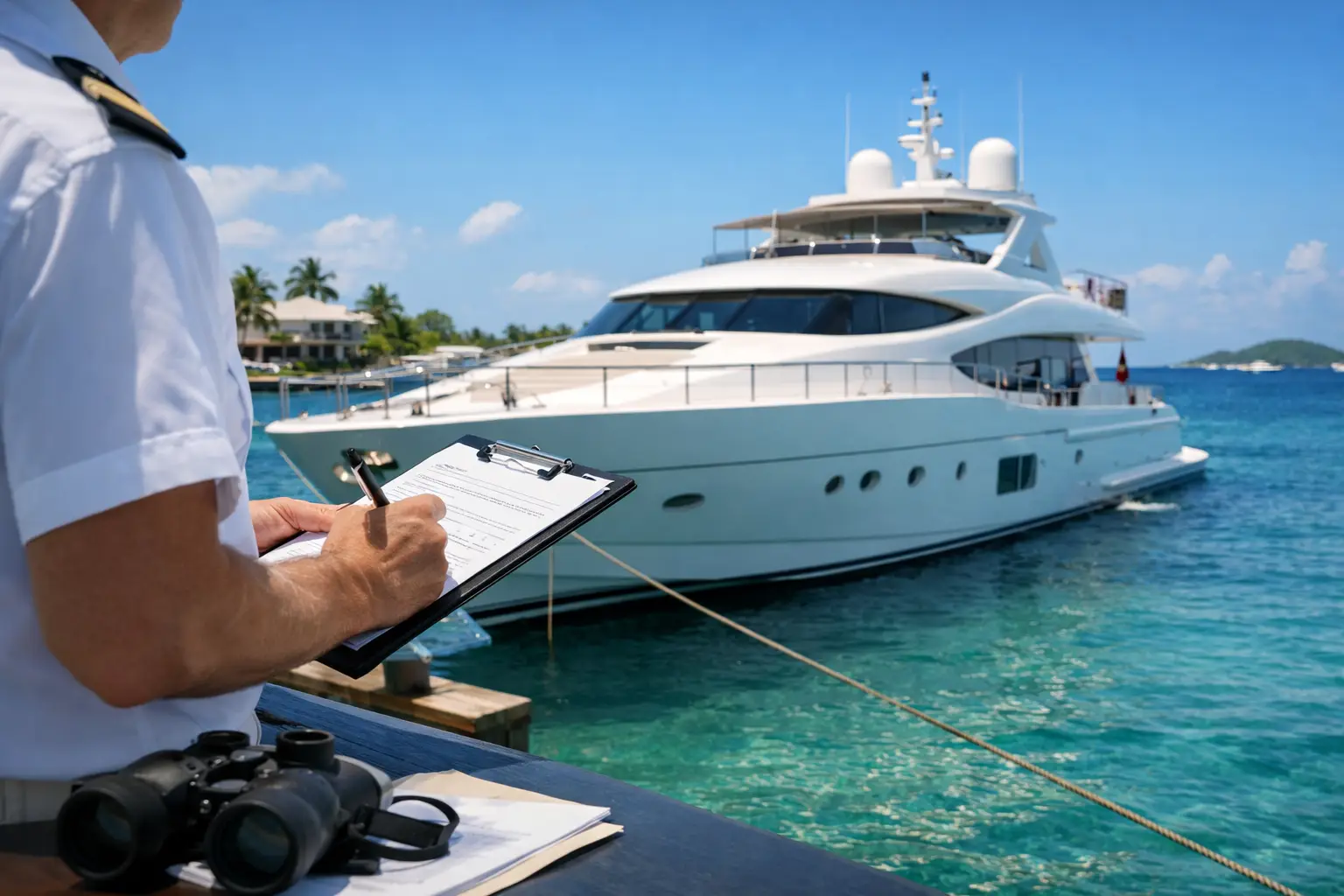
A yacht arriving in Cayman should feel like the beginning of ownership, not the start of a paperwork problem. Yacht customs clearance Cayman Islands owners require involves more than presenting a vessel at the dock. It requires accurate declarations, properly matched documents, realistic duty planning, and careful coordination between the vessel, port, Customs, and the party taking delivery.
For a high-value yacht, small errors can carry disproportionate consequences. A discrepancy in the invoice, hull identification number, ownership records, or vessel description can slow release and leave an expensive asset waiting in port. The right preparation protects both the schedule and the investment.
What Yacht Customs Clearance in the Cayman Islands Covers
Customs clearance is the formal process that allows an imported yacht to enter Cayman lawfully after the required information, charges, and supporting records have been reviewed. It is distinct from the physical transport of the vessel. A yacht can arrive safely from South Florida or another departure port and still face delays if its entry file is incomplete or inconsistent.
The process generally begins before the vessel departs. The importer or authorized representative should understand the vessel’s purchase terms, declared value, shipping method, intended use, and final destination. Those details influence the documents required, how duties and fees are assessed, and the practical steps needed once the yacht reaches Grand Cayman, Cayman Brac, or Little Cayman.
For owners, the objective is straightforward: ensure the yacht enters with a complete, truthful, and well-organized customs file so it can be released without avoidable friction.
Prepare the File Before the Yacht Sails
The strongest clearance process begins at purchase, not at arrival. Before booking transport, confirm that the sales and ownership documentation reflects the yacht exactly as it will be declared. That means verifying the make, model, year, hull identification number, engine details where applicable, and purchase price.
A standard file often includes the bill of sale or purchase invoice, proof of payment where requested, title or registration documents, the shipping or freight documentation, and a packing or equipment list when equipment is shipped separately. Identification and authorization documents may also be needed if a representative is handling the import on the owner’s behalf.
The documents must tell one consistent story. If the invoice names one vessel model while the registration identifies another, or if the hull number differs by a single character, the issue should be resolved before arrival. Customs officers need a clear basis for confirming what is being imported and how it should be valued.
Value Is More Than the Purchase Price
Owners often focus on the amount paid for the yacht, but the landed cost should be considered as a complete picture. Customs valuation can depend on the declared value and may also be affected by relevant transport, insurance, and associated import costs. The precise treatment depends on the shipment structure and current requirements.
This is why a low invoice value or an informal private-sale agreement can create complications. A declaration should be supportable. If Customs requests additional evidence of value, the owner should be able to provide it promptly and confidently.
A professional import coordinator can review the file before shipment, flag missing information, and help establish a realistic cost expectation. That early review is especially valuable for yachts purchased through brokers, private sellers, auctions, or cross-border transactions with multiple invoices.
Choose a Shipping Plan That Supports Clearance
A yacht’s transport method should fit its size, condition, timeline, and intended arrival process. Some vessels travel under their own power; others are loaded onto a carrier, shipped by trailer, or moved using specialized marine transport. Each option creates a different operational profile and set of supporting records.
The least expensive transport option is not always the most efficient choice. A method that exposes the yacht to unnecessary weather, handling, or scheduling uncertainty can cost more in the long run. For a performance vessel, classic yacht, or high-value cruiser, protection during loading, securing, transit, and offloading deserves the same attention as the customs entry itself.
Timing also matters. The clearance team should know the expected arrival date, port details, carrier information, and whether the vessel will require temporary storage or onward movement. With that information in hand, the customs entry can be prepared in advance rather than assembled under pressure once the yacht is already on the dock.
Duties, Fees, and the Importance of Accurate Classification
Import charges are an essential part of yacht customs clearance in the Cayman Islands. The amount due can vary based on the vessel’s classification, declared value, condition, purpose, and applicable rules at the time of import. Owners should avoid relying on generalized duty figures from old online discussions or assumptions based on a friend’s previous import.
The practical approach is to obtain a current, itemized estimate before committing to the purchase and shipping plan. That estimate should separate the major cost categories so the owner can see what is attributable to the yacht, freight, insurance, handling, clearance support, and final delivery.
Transparency matters here. A useful estimate is not simply a single all-in number. It identifies assumptions and explains what could change the final cost, such as a revised invoice, added equipment, an inspection requirement, storage time, or a change in shipping arrangements.
Do Not Overlook Equipment and Separate Cargo
Tenders, trailers, electronics, spare engines, water toys, parts, and loose equipment may require separate attention when they are not permanently part of the yacht or when they travel under separate freight documentation. Listing these items clearly helps prevent confusion during examination and allows the entry to reflect the shipment accurately.
A trailer is a particularly important example. It may have its own identifying details and import considerations. Treating the yacht and trailer as one vague package can make an otherwise routine clearance more difficult than necessary.
What Happens When the Yacht Arrives
Once the vessel reaches Cayman, the customs entry is submitted with the supporting documents and the required charges are addressed. Customs may review the file, request clarification, or choose to inspect the yacht. An inspection is not automatically a sign that something is wrong. It is part of the authority’s role in confirming that the declared vessel and its documentation align.
The best response to a request from Customs is prompt, precise, and complete. Delayed replies, partial documents, or conflicting explanations tend to extend the process. A coordinated representative keeps communication organized, provides the requested evidence, and keeps the owner informed without creating unnecessary concern.
After release, the yacht can move forward to its intended destination or final handover. Depending on the vessel and the arrangement, this may include marina delivery, transport to a residence, or coordination with a marine service provider. Final delivery should be planned with the same care as international shipping, including access, handling requirements, timing, and a condition check.
Common Delays and How to Avoid Them
Most delays are preventable. They usually come from incomplete paperwork, inconsistent values, incorrect vessel identification, late document delivery, or assumptions about duty treatment. They can also result from a yacht arriving before the consignee, importer, or authorized agent is ready to complete the entry.
Owners can reduce exposure by following a disciplined process:
- Confirm the yacht’s details against the invoice, title, registration, and hull identification number before shipment.
- Keep proof of purchase, payment, freight, and insurance organized in one complete file.
- Request a current import cost estimate based on the actual vessel and shipment terms.
- Send documents early enough for review and entry preparation before the yacht arrives.
- Identify a responsible local party for clearance decisions, payment approval, and final delivery coordination.
There is no benefit in rushing an incomplete file through the system. A controlled pre-arrival review is usually faster, less costly, and far less stressful than correcting documents while a yacht is awaiting release.
When Professional Coordination Adds Value
Experienced owners may be comfortable purchasing and operating yachts, but importing one into Cayman is a separate discipline. It combines marine logistics, document control, customs compliance, cost planning, and local delivery coordination. The work becomes more involved when the yacht is purchased overseas, has a complex ownership structure, includes a trailer or equipment, or needs specialized handling.
Waypoint Imports manages these moving parts as one organized process, from early consultation and shipping coordination through customs clearance and final delivery. The purpose is not to add another layer between the owner and the yacht. It is to provide control, visibility, and accountable handling at the points where expensive delays and preventable mistakes most often occur.
A well-cleared yacht arrives with its paperwork, costs, condition, and next steps under control. That is the standard worth setting before the vessel ever leaves its departure port.
