

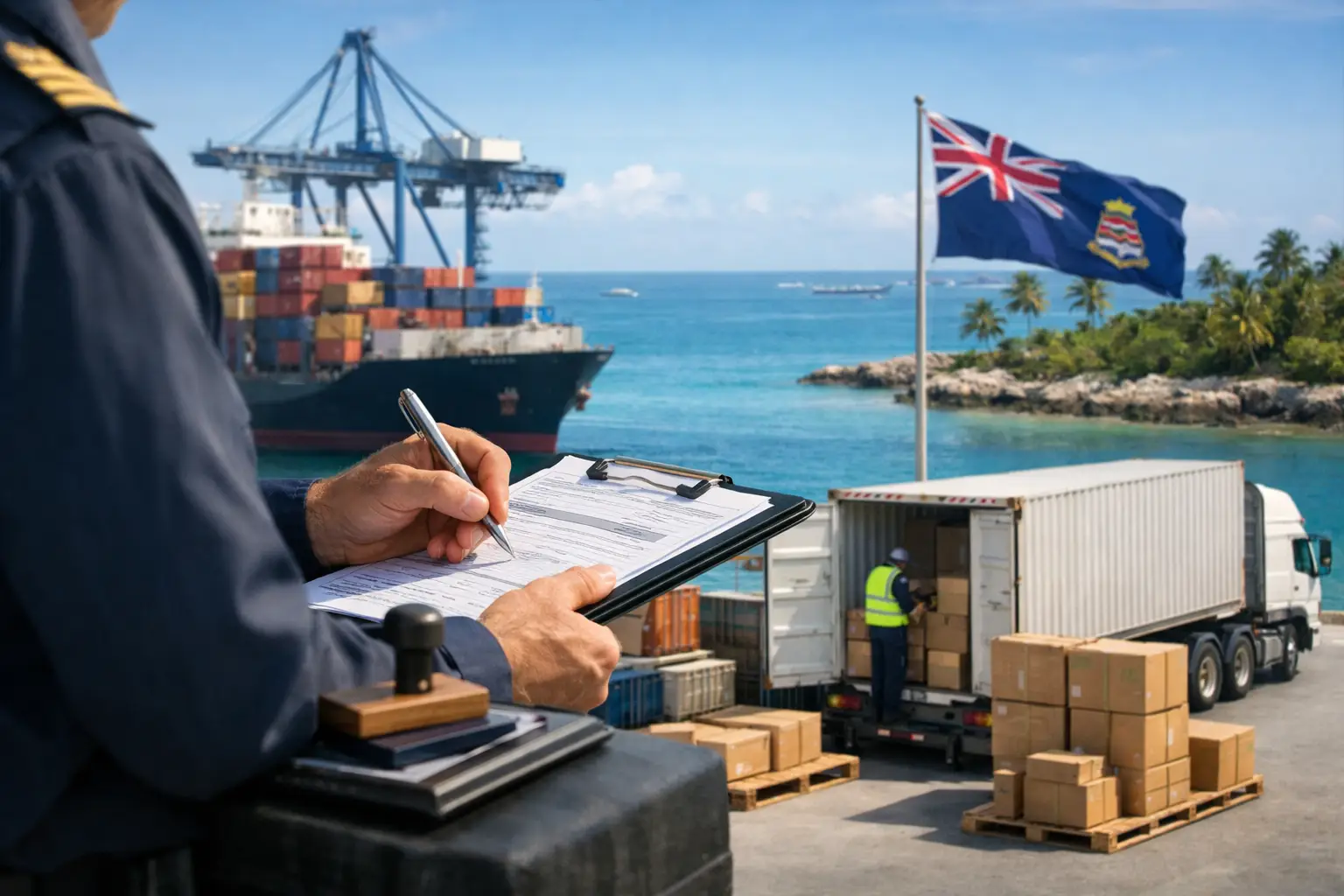
A vehicle can arrive safely at port, a boat can be unloaded without incident, and yet neither is ready to go home. Before an imported asset can be released for delivery in the Cayman Islands, it must clear customs. So, what does customs clearance mean in practical terms? It is the formal process of presenting an import to the relevant authorities, confirming its value and compliance, paying applicable charges, and receiving approval for release.
For a standard parcel, that process may be relatively simple. For a luxury vehicle, collector car, yacht, or other high-value asset, it requires much more care. A missing document, an inaccurate declared value, or an avoidable compliance issue can hold up release and create costs that were never part of the original purchase plan.
What does customs clearance mean for an importer?
Customs clearance is not simply a stamp on a document. It is the point at which authorities review whether an imported item may legally enter the country and whether the correct duties, fees, and taxes have been assessed.
For someone importing a vehicle or boat into Cayman, clearance commonly involves matching the asset to its shipping records, establishing a supportable customs value, submitting the required entry documentation, and settling the charges due before release. If customs requests additional information or an inspection, the asset remains under customs control until that request is resolved.
The purpose is straightforward: customs authorities need an accurate record of what has entered the jurisdiction, where it came from, what it is worth, and whether it meets applicable requirements. The process protects the public interest, but it also protects the importer when it is managed properly. Accurate records and a well-supported declaration reduce the risk of disputes after the asset has been delivered.
Clearance begins well before the vessel arrives
The strongest customs clearance process starts at purchase, not at the port. By the time a vehicle is loaded in South Florida or a boat is prepared for shipment, key details should already be known: the exact make, model, year, identification numbers, purchase price, ownership status, and transport method.
Shipping documents must agree with the commercial paperwork. For a vehicle, that may include the title or ownership documents, bill of sale, invoice, vehicle identification number, export paperwork where required, and bill of lading. For a marine vessel, the file may also need registration details, a builder’s certificate or proof of ownership, specifications, and equipment information.
Small inconsistencies can have large consequences. A different name on an invoice and bill of lading, an unclear purchase amount, or a description that does not match the asset can trigger questions. That does not necessarily mean there is a serious issue, but it can delay release while clarification is provided.
For high-value imports, it is also wise to retain records supporting the transaction. Customs valuation is not an informal estimate. Authorities may review the purchase invoice, payment records, condition details, and other evidence needed to establish a credible declared value.
The core stages of customs clearance
Although each import has its own requirements, clearance generally follows a defined sequence. First, the shipment arrives and is recorded by the carrier or port. The importer or their appointed representative then submits the customs declaration and supporting documents.
Customs reviews the entry, classification, value, and any permits or approvals that may apply. The amount due is calculated based on the relevant rules, which can vary by asset type, condition, origin, and intended use. Duties and related charges should be understood as early as possible, because landed cost is more than the purchase price and freight.
Once charges are paid and customs is satisfied with the declaration, the shipment may be released. If an inspection is selected, release follows after the inspection is completed and any questions are addressed. Only then can final delivery or collection be arranged.
This is why arrival date and delivery date are not the same thing. Port congestion, document readiness, inspection requirements, and payment timing can all affect when an asset is available to move.
Why valuations, duties, and classifications deserve attention
Most unexpected customs problems come back to one of three areas: value, classification, or documentation.
Value is the amount customs accepts as the basis for assessing applicable charges. A seller’s invoice is usually central to that assessment, but it may not be the only record reviewed. Specialty vehicles, classic automobiles, modified cars, and vessels purchased through private sales can require additional context. An unusually low price without clear supporting evidence may lead to further questions.
Classification identifies what the item is for customs purposes. A passenger vehicle is not treated the same way as a commercial unit, and a personal watercraft is not necessarily treated the same way as a larger private vessel. The correct classification affects the applicable duty treatment and the documentation that may be needed.
Documentation connects the entire file. Customs must be able to follow a clear path from the buyer and seller to the asset, shipment, declared value, and intended importer. When those details are organized before arrival, the process is more controlled and easier to manage.
Inspections are a normal part of the process
An inspection does not automatically indicate a problem. Customs may inspect an import as part of routine controls, to verify documentation, or to confirm that the cargo matches the declaration.
For vehicle and boat owners, the practical concern is protecting the asset while it is being handled. A well-managed import process accounts for secure movement, careful coordination at port, and clear communication if an inspection is required. It also avoids making promises about release dates before the relevant approvals are in place.
An inspection can add time, particularly if documents must be clarified or an item needs to be accessed. However, it is generally far easier to address a request quickly when the full import file is already complete and the right parties are available to respond.
Customs clearance is different from shipping
Freight coordination gets an asset from one place to another. Customs clearance gets it legally released into the destination country. They are connected, but they are not interchangeable services.
A carrier may transport a vehicle from Miami to Grand Cayman, but the carrier is not necessarily responsible for confirming that the importer has supplied every document, that duties have been accurately estimated, or that release issues are resolved. Likewise, arranging customs paperwork without coordinating the shipping schedule can create avoidable gaps at arrival.
For this reason, owners of valuable assets often prefer one managed process rather than several disconnected providers. The objective is not merely to move cargo. It is to keep purchase records, shipping details, customs requirements, port coordination, and final delivery aligned from the beginning.
How to reduce the risk of delays
The most reliable approach is to begin with a complete and accurate file. Do not wait until the vessel is close to Cayman to locate title documents, confirm the buyer’s name, or ask for a corrected invoice. Review all records against the actual asset before it is shipped.
It also helps to establish likely landed costs in advance. Duties, shipping charges, port-related expenses, and delivery arrangements should be considered together so there are no surprises at release. If the asset is rare, modified, purchased privately, or has an unusual ownership history, allow extra time for document review.
Professional coordination is particularly valuable when the transaction involves a collector vehicle, performance car, yacht, or boat with substantial value. In these cases, the cost of a delay, documentation dispute, or careless handoff can be far greater than the cost of preparing properly. Waypoint Imports coordinates each stage with the precision needed to keep high-value imports controlled, documented, and ready for final delivery.
Questions owners often ask
How long does customs clearance take?
It depends on document readiness, customs workload, payment timing, and whether an inspection is required. A straightforward import with a complete file can progress efficiently, while incomplete or inconsistent paperwork can extend the timeline. No provider can guarantee release before customs has completed its review.
Can I clear a vehicle or boat myself?
An owner may be able to manage the process directly, but doing so requires comfort with documentation, valuation, duty assessment, port procedures, and follow-up. For a lower-value, uncomplicated item, that may be a reasonable choice. For a high-value vehicle or marine vessel, delegated expertise often provides greater certainty and reduces administrative burden.
What happens if customs needs more information?
The asset remains pending while the requested information is provided and reviewed. The best response is prompt, complete, and consistent with the documents already submitted. Trying to resolve a valuation or ownership question with partial records can create further delay.
A well-prepared customs file does more than help an asset reach the road or water sooner. It gives you control over a process that can otherwise become expensive, uncertain, and time-consuming. Before your next vehicle or boat shipment is booked, make sure the clearance plan is as carefully considered as the purchase itself.
