

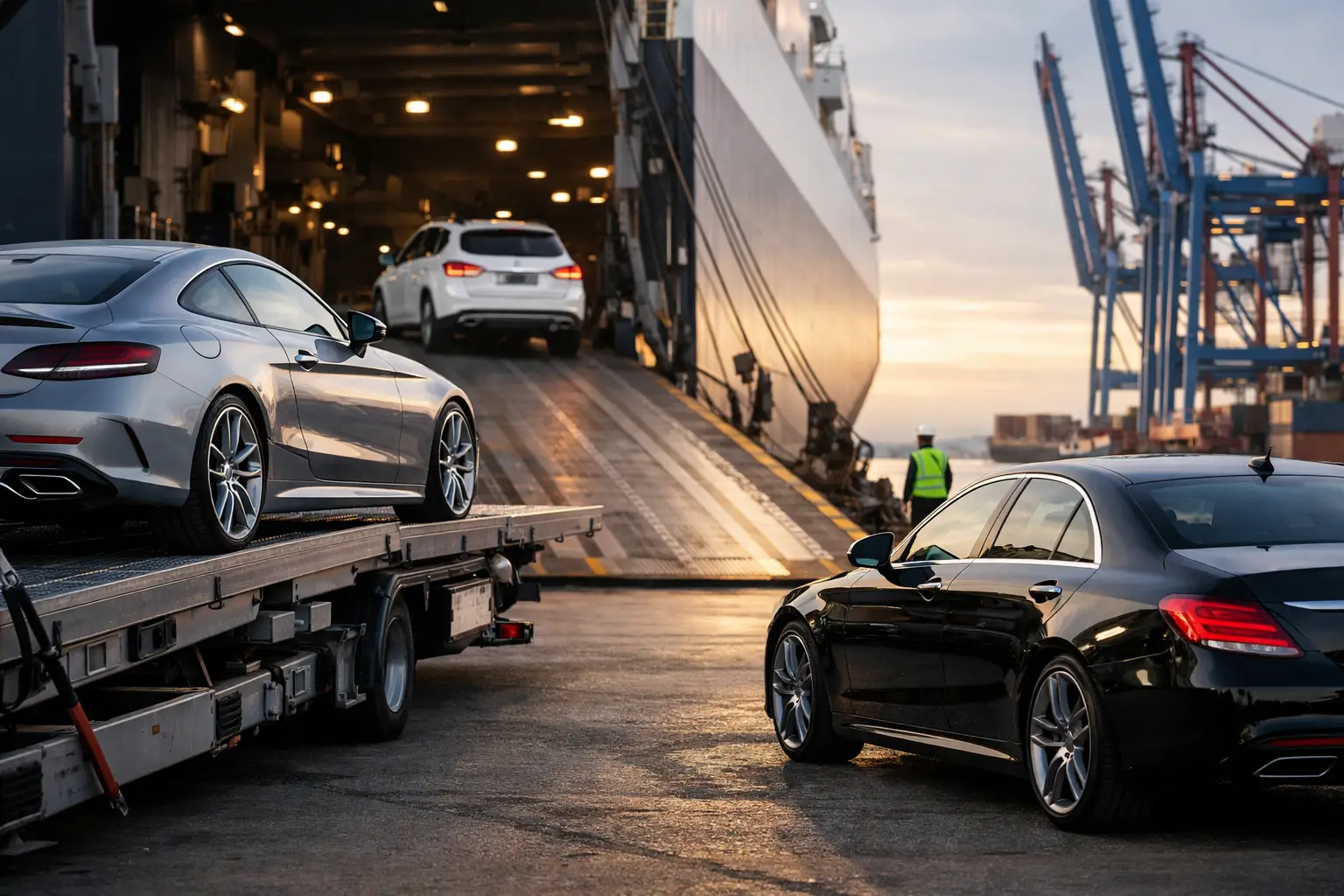
A luxury vehicle can lose value long before it reaches your driveway – not because of mileage, but because one shipping detail, customs error, or handling mistake was missed along the way. That is why auto import logistics for luxury cars is not just about moving a vehicle from one port to another. It is about protecting condition, compliance, timing, and total landed cost from the moment the purchase is made.
For high-value vehicles, the margin for error is small. A standard freight approach may work for everyday units, but luxury, exotic, performance, and collector cars require tighter coordination. Shipping method, export paperwork, insurance terms, customs classification, inspection readiness, and final delivery standards all affect the outcome. If one part of the chain slips, the consequences can include delays, added charges, storage fees, or avoidable exposure to damage.
Why auto import logistics for luxury cars needs special handling
Luxury vehicles create a different set of logistics demands because the asset itself is different. Lower ground clearance, specialty finishes, custom wheels, carbon fiber components, performance upgrades, and limited availability of replacement parts all raise the stakes. The vehicle is not simply expensive. It is often difficult to repair, difficult to replace, and more sensitive to poor handling.
There is also a documentation issue. High-value imports tend to attract closer attention from insurers, carriers, and customs authorities. Purchase invoices must be accurate. VIN details must match across documents. Declared value must be consistent with supporting paperwork. If the vehicle has modifications, prior registration history, or financing considerations, those details need to be addressed early rather than after the shipment is already moving.
That is where professional coordination matters. The right process reduces uncertainty before it becomes a cost.
The real work starts before the vehicle ships
Most import problems begin upstream. Buyers often focus on the purchase price and transport booking, but the bigger questions come first. Is the seller providing complete export documentation? Has the vehicle been inspected well enough to document pre-shipment condition? Does the chosen shipping method suit the vehicle’s dimensions, value, and vulnerability? Is the import duty estimate based on the right assumptions?
For buyers bringing a luxury vehicle into the Cayman Islands, these early decisions have direct financial impact. A misread on landed cost can change the economics of the purchase. An incomplete title or invoice can hold the vehicle at port. A rushed carrier booking may save money on paper but increase handling risk in practice.
Strong planning usually begins with four points: verifying the vehicle file, confirming shipping eligibility, understanding the customs path, and calculating the full landed cost. That includes freight, insurance, duties, port charges, clearance coordination, and local delivery. When those numbers are clear upfront, the transaction feels controlled rather than speculative.
Choosing the right shipping method
The shipping method is one of the most important decisions in auto import logistics for luxury cars because it affects both protection and cost. There is no single best option for every vehicle.
Container shipping is often preferred for luxury and collector units because it offers more controlled handling and greater protection from exposure during transit. It also makes sense when the vehicle has very low clearance, exceptional value, or sensitive finishes. Inside a properly prepared container, the car can be secured more carefully and exposed to fewer touchpoints.
Roll-on/roll-off shipping can be efficient for some vehicles, but it depends on the vehicle type, route, and owner’s risk tolerance. For a standard late-model car, this method may be practical. For an exotic or rare vehicle, the trade-off can be less appealing because the car is moved more directly through port operations. That does not automatically make it wrong. It simply means the decision should be based on value, condition expectations, and the specifics of the route.
Air freight enters the conversation occasionally, usually when urgency outweighs cost. For most buyers, it is not the default choice. But for certain time-sensitive deliveries or exceptional vehicles, speed can justify the premium.
Customs and compliance are where costly delays happen
A vehicle can arrive on schedule and still become delayed if customs preparation was weak. This is one of the most common gaps between ordinary freight service and managed import coordination.
Customs clearance depends on accurate paperwork, correct valuation, and proper classification. The invoice, title, bill of lading, identification documents, and any supporting declarations need to align. If they do not, customs may request clarification, reassess value, or delay release pending review.
For luxury vehicles, valuation questions are especially important. Specialty models, restored classics, and vehicles with extensive options may not fit simple price assumptions. If the declared amount appears inconsistent, the shipment can face added scrutiny. That does not mean there is a problem. It means the file needs to be built properly from the start.
This is where a managed import partner earns its value. Instead of reacting to customs issues after arrival, the process is structured in advance so documentation, duty expectations, and release requirements are already understood.
Condition protection is not a side issue
When clients import a luxury vehicle, they are not just buying transport. They are protecting paint, trim, interior condition, wheel integrity, and resale value.
That protection starts with pre-shipment inspection and condition reporting. Clear photos, documented mileage, and notes on existing blemishes create a baseline. Without that baseline, disputes become harder to resolve if damage is discovered later.
It continues with loading procedures. Low-clearance vehicles need the right ramps and handling approach. High-performance cars may require battery, alarm, or fuel adjustments. Convertible tops, custom bodywork, and specialty accessories must be accounted for before transit begins. Insurance also deserves close review. Buyers should understand what is covered, how value is established, and what claims process applies if needed.
The best logistics plans treat condition protection as part of the main workflow, not as an afterthought.
What a fully managed import process should look like
A premium import experience should feel organized at every stage. That usually means one coordinated process rather than separate vendors passing responsibility back and forth.
The strongest approach begins with consultation and file review, moves into shipping coordination and document control, then continues through customs clearance and final delivery. Each stage should be visible to the client. Not overwhelming, but clear. Buyers want confidence that the vehicle is being handled with precision and that someone is actively managing the exceptions that often arise in cross-border moves.
This matters even more for clients importing into island markets, where timing, port scheduling, and local clearance procedures can affect the entire delivery chain. In Cayman, for example, a smooth outcome depends on understanding not just shipping, but the local import environment and the practical steps needed to move the vehicle from arrival to release and delivery without unnecessary friction.
That is why companies like Waypoint Imports position the service around complete management rather than simple freight booking. For a high-value vehicle, clients are not looking for the cheapest handoff. They are looking for control.
Cost matters, but cheap logistics is rarely cheap
Luxury car buyers are often practical about shipping. They do not want inflated service costs, but they also understand the difference between price and value.
A lower quote can hide weak insurance terms, limited handling oversight, or incomplete customs support. On the other hand, a higher-priced service is not automatically better. The right question is what level of control, protection, and accountability is included.
A good logistics plan makes costs visible before commitment. That includes freight, customs-related charges, duties, local fees, and delivery. Transparency matters because surprises at arrival are one of the fastest ways to turn a high-end purchase into a frustrating one.
For that reason, buyers should ask for a complete landed-cost view early. If the answer is vague, the risk usually stays with the client.
What experienced buyers pay attention to
Experienced import clients tend to ask sharper questions. Who is managing the paperwork? Who is checking the vehicle before shipment? What happens if the vessel schedule changes? How is the vehicle protected at each transfer point? Who is responsible for customs coordination once it arrives?
Those questions are useful for first-time importers too. They shift the focus from booking transport to managing risk. And with luxury vehicles, risk management is the real service being purchased.
The best auto import logistics for luxury cars combines planning, compliance, transport control, and careful delivery into one disciplined process. When that happens, the vehicle arrives the way it should – properly documented, properly handled, and ready for handover with complete professionalism.
If you are importing a high-value vehicle, the smartest move is usually the calm one: slow the process down just enough to get every detail right before the car ever leaves its starting point.
