

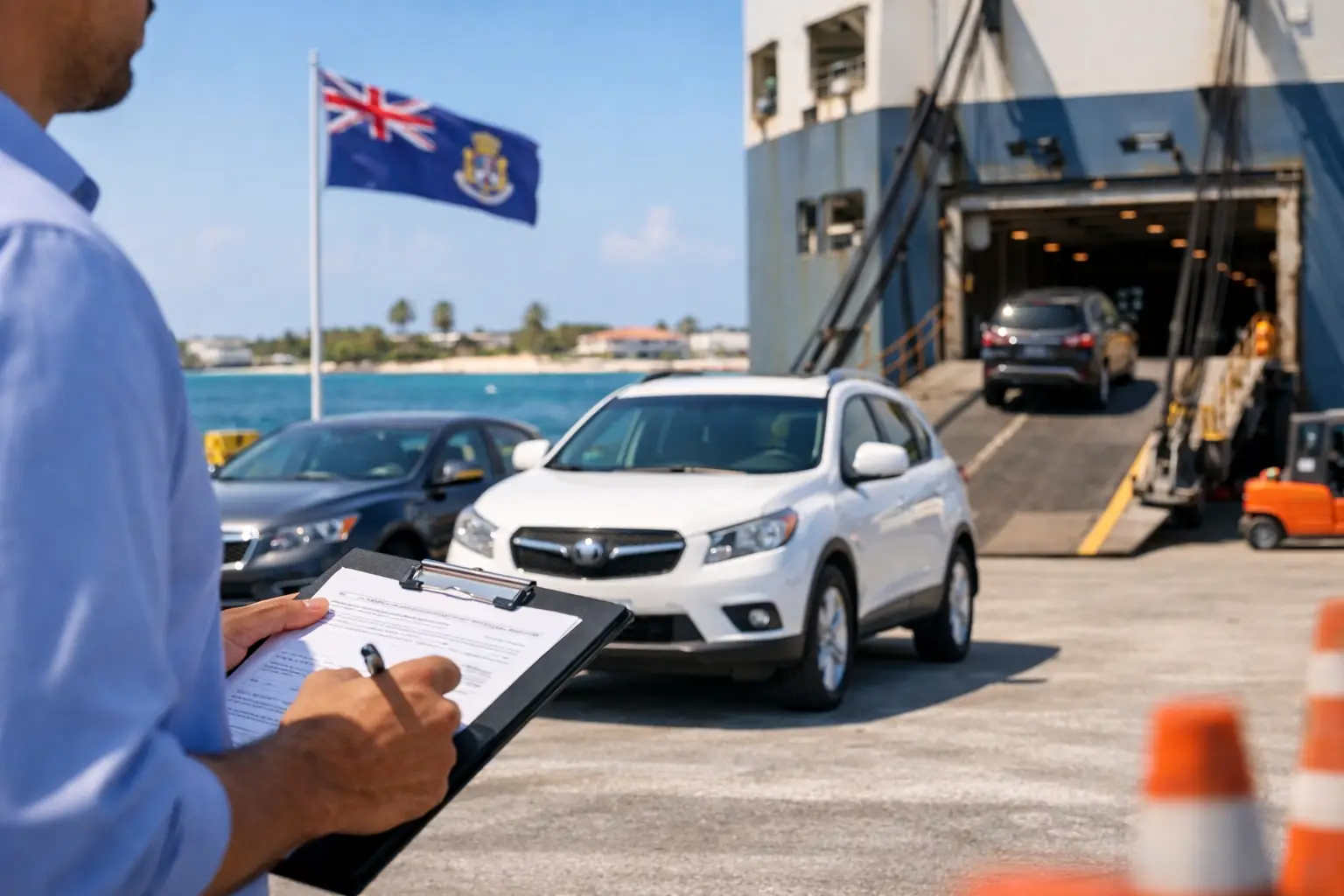
A vehicle can look fully bought the moment funds are transferred, but the import is not complete until vehicle customs clearance is handled correctly. For Cayman buyers, that means aligning the purchase documents, shipping details, declared value, duties, and local registration requirements before the vehicle is ready for the road.
The process is manageable when it is treated as a planned sequence rather than a final administrative task after the vehicle arrives. Whether you are importing a family SUV, a classic car, a work truck, or a high-value vehicle, clear documentation and realistic timing make a meaningful difference.
What vehicle customs clearance actually covers
Vehicle customs clearance is the process of presenting an imported vehicle and its supporting documents to the relevant authorities so duties and taxes can be assessed and the vehicle can be released from the port. It confirms what has been imported, who owns it, how it was purchased, and what value should be used for the import assessment.
Clearance is distinct from shipping and from road registration. Shipping brings the vehicle to Cayman. Customs clearance allows it to move forward from the port. Registration and any required inspection are the local steps that allow it to be legally operated. These stages are connected, but each has its own requirements and timing.
For first-time importers, the most useful mindset is simple: customs needs a complete and consistent story. The vehicle details, purchase price, ownership records, shipping paperwork, and supporting invoices should agree with one another. When they do, the review is more straightforward. When they do not, additional questions or documentation may be needed.
Start before you purchase the vehicle
The best time to organize an import is before committing to a seller. A vehicle price alone does not show the full landed cost. Freight, insurance where applicable, import duties, fees, port-related charges, local handling, and registration costs can all shape the final figure.
Before purchase, confirm that the vehicle is suitable for import and local use. Consider its age, condition, steering configuration, emissions or safety requirements where applicable, and whether it will need any modification or inspection before registration. Requirements can vary by vehicle type and may change, so current guidance should be confirmed before funds are released.
It is also worth thinking about where the vehicle will originate. A purchase from a dealership may produce a clean invoice and title package. A private sale, auction purchase, or vehicle with a finance history can require more diligence. The key is not where the vehicle comes from, but whether you can obtain reliable evidence of ownership, price, and condition.
A cost estimate at this stage is practical, not merely helpful. It gives you a clearer basis for deciding whether a particular vehicle makes sense once it is delivered and ready for registration in the Cayman Islands.
Documents that keep the process organized
Documentation is where most of the practical work happens. Save original files as soon as they are issued, and make sure the names, vehicle identification number, and purchase details are accurate across every record.
A typical vehicle import file may include:
- The seller’s invoice or bill of sale showing the purchase amount
- Proof of payment, particularly when the invoice does not fully explain the transaction
- The vehicle title, registration, or other ownership document
- The vehicle identification number and specifications
- Shipping documents and freight charges
- Any documents needed for export from the country of origin
The exact documents depend on the origin country, seller, carrier, and vehicle type. A dealership invoice may be sufficient evidence of the sale price in one situation, while a private transaction may need a bill of sale and payment confirmation to provide the same clarity.
Do not treat documents as something to gather at the end. Missing paperwork can create avoidable back-and-forth once the vehicle has arrived, when port storage and scheduling considerations become more immediate. Uploading and reviewing documents before shipping creates time to resolve a title discrepancy, incomplete invoice, or incorrect vehicle identification number while the vehicle is still at origin.
How value and import costs are assessed
Import charges are generally based on the value accepted for customs purposes, along with applicable freight and other charges. The precise assessment depends on the vehicle and current Cayman rules. This is why a vague invoice or an unusually low declared purchase amount can lead to questions and a longer review.
A well-supported declared value protects the integrity of the process. Keep the sales agreement, payment evidence, dealer correspondence, auction confirmation, and any records that explain the vehicle’s condition or purchase context. If a vehicle was bought below typical market value because it needed repairs, had damage, or was sold through an auction, documentation can help explain the circumstances.
There is a trade-off worth understanding. Buying a vehicle with an unusually low sticker price may look attractive, but a complicated title history, unclear transaction record, or costly repair requirement can make the import less predictable. A clean transaction file is often worth as much as a favorable purchase price.
What happens when the vehicle arrives
Once the vehicle reaches Cayman, it is received into the port process and prepared for customs review. At this point, the goal is to match the physical vehicle to the submitted documentation, complete the required declarations, and settle assessed charges before release.
Some vehicles may require an inspection or additional review. This does not automatically indicate a problem. Inspections can be part of normal controls, especially where vehicle information, condition, or documentation needs to be verified. The timing can depend on port activity, document readiness, authority schedules, and the details of the individual shipment.
After customs release, the vehicle can proceed to the next local steps, which may include inspection, insurance, licensing, and registration. Those requirements should be planned alongside the clearance process, particularly if the vehicle is needed for a relocation, a business project, or a specific handover date.
Visibility matters when the shipment is high value
A vehicle import is not a package you can replace with a few clicks. Owners need to know when the vehicle has reached the warehouse, when it has been loaded, when it is sailing, what documents are outstanding, and what happens after arrival.
That is why a connected process matters. Instead of managing separate emails, invoices, shipping updates, and document requests, a modern import platform can keep the shipment timeline and key records in one place. It also creates a clearer handoff between freight coordination, customs support, and local delivery arrangements.
Waypoint Imports provides this visibility through a single account where customers can upload documents, monitor shipment progress, review invoices, and receive updates as their vehicle moves through each stage. The value is not simply tracking a vessel. It is knowing what the next required action is and having a clear record of what has already been completed.
Common situations that need extra attention
Certain vehicle purchases deserve more preparation because they can involve additional documents or review. This includes vehicles purchased at auction, vehicles with salvage or rebuilt histories, collector vehicles, commercial vehicles, and purchases made through an intermediary. None of these situations prevents an import by itself, but each can affect the records required and the path to local registration.
Relocation imports deserve early planning as well. If a household shipment and vehicle are arriving near the same time, coordinate the documents and expected arrival windows separately. A vehicle may have its own release and registration requirements even when it is shipped alongside personal effects.
Businesses importing fleet vehicles, specialty equipment, or work trucks should also plan for operational needs after arrival. Consider where the vehicle will be stored, who is authorized to receive it, when insurance becomes active, and whether it needs branding, fitting, or inspection before use. These details are easier to coordinate when the shipment timeline is visible before the vehicle reaches port.
A better way to prepare
The most effective vehicle customs clearance process starts with a complete file, a realistic cost estimate, and a partner who communicates clearly when the shipment status changes. Keep purchase records together, verify the vehicle identification number on every document, and ask questions early if a title, invoice, or export record is unclear.
A well-prepared import does more than move a vehicle from one country to another. It gives you a clear path from purchase to possession, with each requirement handled with precision and each next step easier to anticipate.
