

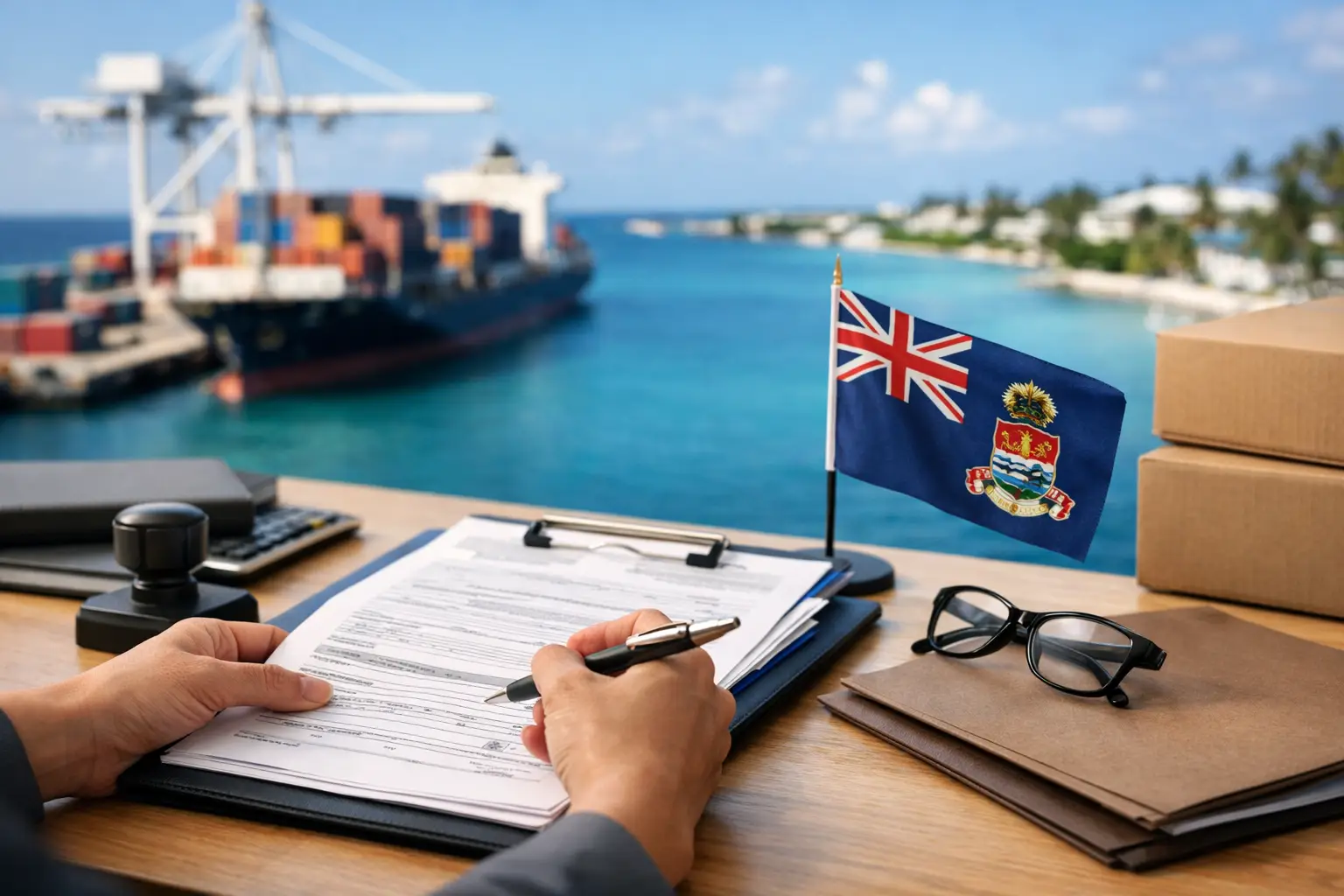
A missing VIN digit, an invoice that does not match the purchase price, or an unsigned shipping document can hold a valuable vehicle or vessel at the port longer than expected. Knowing how to clear customs paperwork before your shipment arrives is one of the most practical ways to protect your timeline, budget, and investment when importing into the Cayman Islands.
For a standard household item, a document correction may be an inconvenience. For a collector car, luxury SUV, performance vehicle, yacht, or personal boat, it can create avoidable storage costs, scheduling pressure, and uncertainty around an asset you expect to receive in excellent condition. The right approach is not to rush the paperwork at the last minute. It is to organize, verify, and coordinate each document well before the cargo reaches Cayman.
Start With a Complete, Consistent Document File
Customs clearance depends on a clear record of what is being imported, who owns it, what it cost, and how it entered the country. The documents must tell the same story. If the bill of lading identifies one consignee, the commercial invoice names another party, and the ownership record is incomplete, customs officials may need clarification before they can release the shipment.
For most vehicle and boat imports, your file will commonly include the bill of lading or sea waybill, a purchase invoice or bill of sale, proof of ownership, identification for the importer, and the relevant shipping and entry documentation. A vehicle import may also require the title, registration records where applicable, and accurate vehicle identification number details. For a vessel, ownership records, hull identification details, specifications, and supporting marine documentation may be relevant.
Keep original documents secure and provide clear digital copies early in the process. Documents that are blurry, partially cropped, unsigned, or inconsistent can slow down clearance even when the underlying transaction is legitimate. If a purchase was made through a dealer, auction, broker, or private seller, make sure the paperwork clearly establishes the final sale price and the buyer of record.
Match the Asset Details Exactly
Small discrepancies create large questions at customs. Compare every key detail across the invoice, title or ownership record, bill of lading, and shipping instructions. Check the make, model, model year, color, VIN or hull identification number, engine details where relevant, and consignee information.
Do not assume a minor typo will be ignored. A single transposed character in a VIN can make it difficult to connect a vehicle to its title or invoice. For boats, mismatched hull details or dimensions can create similar issues. Correcting these items before the shipment departs is usually far easier than correcting them after arrival.
Establish the Correct Customs Value
Duties and fees are generally assessed from the declared value of the imported asset, along with applicable freight, insurance, and other charges under the current customs valuation rules. The precise calculation depends on the asset, its origin, its condition, and the regulations in effect at the time of entry.
Your invoice should reflect the genuine transaction value. If the asset was bought at auction, retain the auction invoice, buyer fees, and any documentation that explains the final purchase amount. If it was purchased privately, a signed bill of sale and proof of payment can help support the declared value. For a classic car, modified vehicle, or specialty vessel, additional records may be useful when the value is not immediately obvious from a standard retail comparison.
Trying to estimate a lower value to reduce duty exposure creates unnecessary risk. Customs may request further evidence, apply its own valuation, or delay release while questions are resolved. A transparent valuation file gives you a stronger, more efficient clearance position.
Account for Costs Before the Shipment Arrives
The purchase price is only one part of the landed cost. Depending on the shipment, you may need to account for ocean freight, marine insurance, port charges, customs duty, handling, inspection-related charges, and final delivery. These costs should be understood before you commit to the purchase, particularly for high-value assets where the duty component can be significant.
A realistic cost estimate also helps you prepare funds before clearance. Waiting until a shipment is already at the port to confirm duty obligations can add pressure to a process that should be handled with control and precision.
Confirm Import Eligibility Before You Buy
The strongest customs paperwork starts before the purchase, not after the ship has sailed. Vehicles and vessels may be subject to import standards, age considerations, licensing requirements, safety rules, and other local conditions. These requirements can change, and the correct answer often depends on the specific asset.
Before purchasing, verify that the vehicle or boat can be imported and registered for its intended use in Cayman. This is especially important for specialty vehicles, left-hand-drive or right-hand-drive configurations, heavily modified cars, classic automobiles, commercial-use vessels, and boats with complex ownership histories.
If the asset is financed or leased, confirm who has authority to export it and whether the lender’s written authorization is required. If it is being imported in the name of a company, trust, or family member, ensure the importer of record and ownership documentation are aligned. Customs clearance becomes much simpler when there is no uncertainty over who has the legal right to bring the asset into the Islands.
Use the Correct Shipping Instructions
Your shipping instructions should be finalized with the same care as the customs documents. The consignee name, contact details, destination, asset description, and identifiers supplied to the carrier should match the customs file exactly.
For vehicles, confirm whether the unit will travel in a container or by roll-on/roll-off service, and understand what condition it must be in for shipment. For boats and yachts, the shipping method, dimensions, cradling requirements, and discharge arrangements all affect the documentation and arrival plan. High-value cargo should also have appropriate insurance in place before it is handed to the carrier.
Timing matters. Ask when the bill of lading will be issued, whether an original document is required for release, and when the arrival notice will be available. A shipment can arrive on schedule while clearance is delayed simply because a required release document is still pending overseas.
Submit Early and Stay Available for Questions
Once the shipment is approaching Cayman, submit the required entry information and supporting documents as early as the process allows. Customs officials may request clarification, additional proof of value, or an inspection. A quick, well-documented response helps keep the process moving.
This is where organized records make a measurable difference. Keep the full purchase trail available, including communications with the seller, payment confirmations, prior registration or title records, and photographs if they help confirm the asset’s identity or condition. You may not need every document, but having them ready avoids a scramble if a question arises.
Do not schedule collection or final delivery on the assumption that release is automatic. Allow reasonable flexibility for customs processing, port handling, and inspection requirements. The goal is a controlled handoff, not a rushed collection window that leaves no room for normal administrative steps.
Work With a Customs Coordinator When the Asset Warrants It
A straightforward import can sometimes be managed independently. But the trade-off is time, familiarity with current requirements, and responsibility for resolving every discrepancy yourself. For luxury vehicles, collector cars, boats, and yachts, professional coordination can be valuable because the paperwork is only one part of protecting the asset.
An experienced import partner can review documents before shipment, align carrier instructions with the customs entry, anticipate duty and clearance costs, coordinate responses to questions, and arrange secure final delivery after release. Waypoint Imports manages this process for clients bringing vehicles and marine assets into Cayman, with attention to both compliance and asset care.
Keep a Post-Clearance Record
After the asset is released, retain your customs entry, duty receipts, shipping documents, invoice, title or ownership records, and inspection-related paperwork in one secure file. These documents may be needed for registration, insurance, resale, future export, or questions about the asset’s history.
For a vehicle or vessel with substantial value, this file is part of its provenance. A complete record supports a cleaner ownership story and gives future buyers, insurers, and service providers confidence in how the asset entered Cayman.
Clear customs paperwork is less about filling out forms quickly and more about making every document precise, consistent, and ready before it is needed. When the paperwork is handled with the same care as the vehicle or vessel itself, arrival day becomes a planned handoff rather than an avoidable source of stress.
