

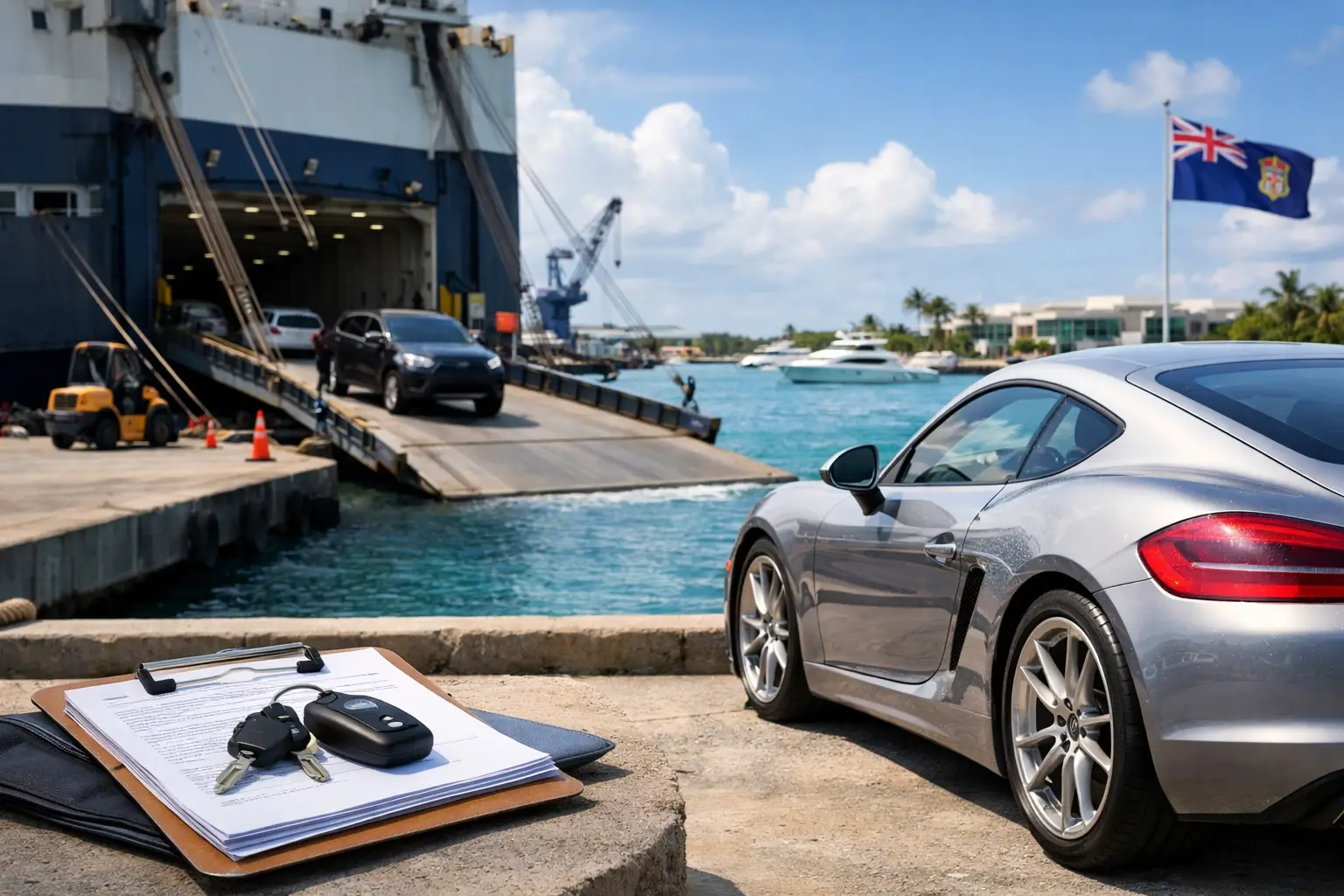
A high-value vehicle can look like an excellent purchase until an incomplete document, an underestimated duty, or a poorly planned handoff turns arrival into a delay. This vehicle import process guide explains how to bring a car into the Cayman Islands with control over the details that matter: eligibility, landed cost, shipping protection, customs clearance, and final delivery.
For a daily driver, collector vehicle, luxury SUV, or performance car, the process is not simply about getting the vehicle onto a vessel. It is about making informed decisions before money changes hands, protecting the asset while it is in transit, and ensuring it can move through customs without avoidable friction.
Start Before You Buy the Vehicle
The strongest import plans begin at the sourcing stage. Before placing a deposit or winning an auction, confirm that the vehicle is suitable for import and practical to own in Cayman. The purchase price may be compelling, but the full decision should account for shipping, insurance, import duties and fees, port handling, licensing requirements, and delivery.
Vehicle condition matters just as much as price. A detailed inspection, clear title status, accurate mileage, and a full record of prior damage protect you from surprises after the vehicle arrives. This is especially relevant for auction purchases and specialty vehicles, where photos alone may not reveal mechanical issues, corrosion, flood exposure, or incomplete repairs.
Consider the vehicle’s intended use as well. A low-clearance performance car, for example, may require more careful loading, unloading, and delivery planning than a standard SUV. A classic vehicle may need specialized handling and enclosed transport before it reaches the port. The right shipping method and handling plan depend on the vehicle, its value, its condition, and the level of protection you expect.
Build a True Landed-Cost Estimate
The purchase price is only one part of the investment. A credible landed-cost estimate gives you a realistic view of what it will take to place the vehicle in your driveway, rather than at a port or customs facility waiting for the next decision.
Your estimate should account for the vehicle value, origin-side transport, export-related charges where applicable, ocean freight, marine cargo insurance, local port charges, customs duties and taxes, customs coordination, registration-related costs, and final delivery. Rates and assessments can vary based on the vehicle’s specifications, declared value, origin, and current regulations, so assumptions should be confirmed before shipping is booked.
The key is transparency. An unusually low freight quote may exclude handling, insurance, destination fees, or customs support. Those omissions can make a quote appear attractive at the beginning and expensive at the end. Ask what is included, what is estimated, and which costs may change if documentation or cargo details differ from the original booking.
For buyers comparing several vehicles, calculate landed cost for each option. A vehicle with a slightly higher purchase price but a clean title, better condition, and simpler transport requirements can be the more sensible investment.
Prepare the Documents Early
Customs clearance depends on accurate, consistent paperwork. Waiting until the vehicle has already departed is one of the most common sources of pressure, particularly when an original title, bill of sale, or export document must be corrected or released by another party.
The precise document package depends on the vehicle and shipment, but it commonly includes:
- A clear bill of sale or commercial invoice showing the purchase price and buyer details
- The vehicle title or ownership documentation, with any required lien release
- The vehicle identification number, make, model, year, and mileage details
- Shipping documents, including the bill of lading
- Valid identification and any authorizations needed for customs representation
Every figure and identification detail should align across the documents. A difference as small as a transposed VIN digit, a missing buyer name, or an invoice that does not support the declared value can require clarification. For a high-value import, document review before departure is a sensible safeguard, not an administrative afterthought.
Choose Shipping That Matches the Asset
Most vehicles are transported by either roll-on/roll-off service or container shipping. Roll-on/roll-off is often efficient for operable vehicles because the vehicle is driven onto and off the vessel. Container shipping can offer greater isolation from the elements and other cargo, and it may be preferred for classics, exotics, non-running vehicles, or vehicles requiring additional protection.
Neither option is automatically better. The correct choice depends on the vehicle’s condition, dimensions, origin point, timing, and risk profile. A collectible car may justify the additional cost and planning of container transport. A well-maintained everyday vehicle may be well suited to roll-on/roll-off service when handled by experienced operators.
Marine cargo insurance deserves the same attention. Confirm what the policy covers, how the vehicle’s value is established, whether deductibles apply, and what evidence would be required if a claim became necessary. Thorough pre-shipment photographs and a documented condition report create a useful record of the vehicle before it enters the logistics chain.
Coordinate the Shipment From Origin to Cayman
Once the vehicle and paperwork are ready, the shipment must be booked, delivered to the correct origin terminal, and processed according to the carrier’s cutoff dates. South Florida is a common departure area for Cayman-bound vehicles, but the timing still depends on carrier schedules, terminal requirements, and the vehicle’s readiness.
This stage is where small missed deadlines can create real cost. A delayed delivery to the terminal, missing title documentation, or a vehicle that arrives with less fuel than required can affect acceptance. Your logistics coordinator should provide clear instructions for where the vehicle goes, when it must arrive, what items may remain inside, and who is responsible for each handoff.
Personal belongings generally should not be left in a vehicle unless they have been specifically approved and properly declared. Carriers and customs authorities may impose restrictions, and unsecured items can create unnecessary risk during transport.
Clear Customs With Accurate Declarations
When the vehicle arrives in the Cayman Islands, customs processing begins with the shipment and purchase documents. The declared value must be properly supported, and the vehicle details must match the records presented for entry. This is not the time to rely on rough estimates or informal paperwork.
A professional customs coordinator helps organize the declaration, calculate applicable charges, respond to requests for additional information, and manage the release process. Although clearance can be efficient when the file is complete, timing can depend on document review, inspections, payment processing, and port operations.
Buyers should also be prepared for the possibility of questions or inspections. That does not necessarily signal a problem. It is part of a controlled import environment, and a well-prepared file makes it easier to respond quickly and professionally.
Inspect, Register, and Arrange Final Delivery
Once released, the vehicle should be inspected before it moves into routine use. Compare its condition with the pre-shipment photos and condition report, check that all agreed accessories are present, and document any concerns immediately. This is particularly valuable for luxury, classic, and performance vehicles where cosmetic condition has a direct effect on value.
The final steps include the applicable licensing and registration requirements, insurance arrangements, and delivery to your home, office, storage location, or service facility. Delivery is not merely the last mile. It is the point at which the import plan should conclude with the same care applied at purchase and shipping.
For clients who prefer a fully managed process, Waypoint Imports coordinates the moving parts from early consultation through customs clearance and final delivery. That approach gives buyers one accountable point of contact rather than a series of disconnected vendors.
A Vehicle Import Process Guide Is Really a Risk Plan
A vehicle import process guide is most useful when it helps you prevent decisions made under pressure. Start with verified vehicle information, establish the landed cost before committing, prepare documents before departure, and select transport based on the asset rather than the lowest headline rate.
The best import experience is often quiet: the right documents are ready, the vehicle is handled with precision, charges are understood, and delivery happens as planned. Begin with a clear review of your vehicle and timeline, and the rest of the journey can be managed with complete professionalism.
