

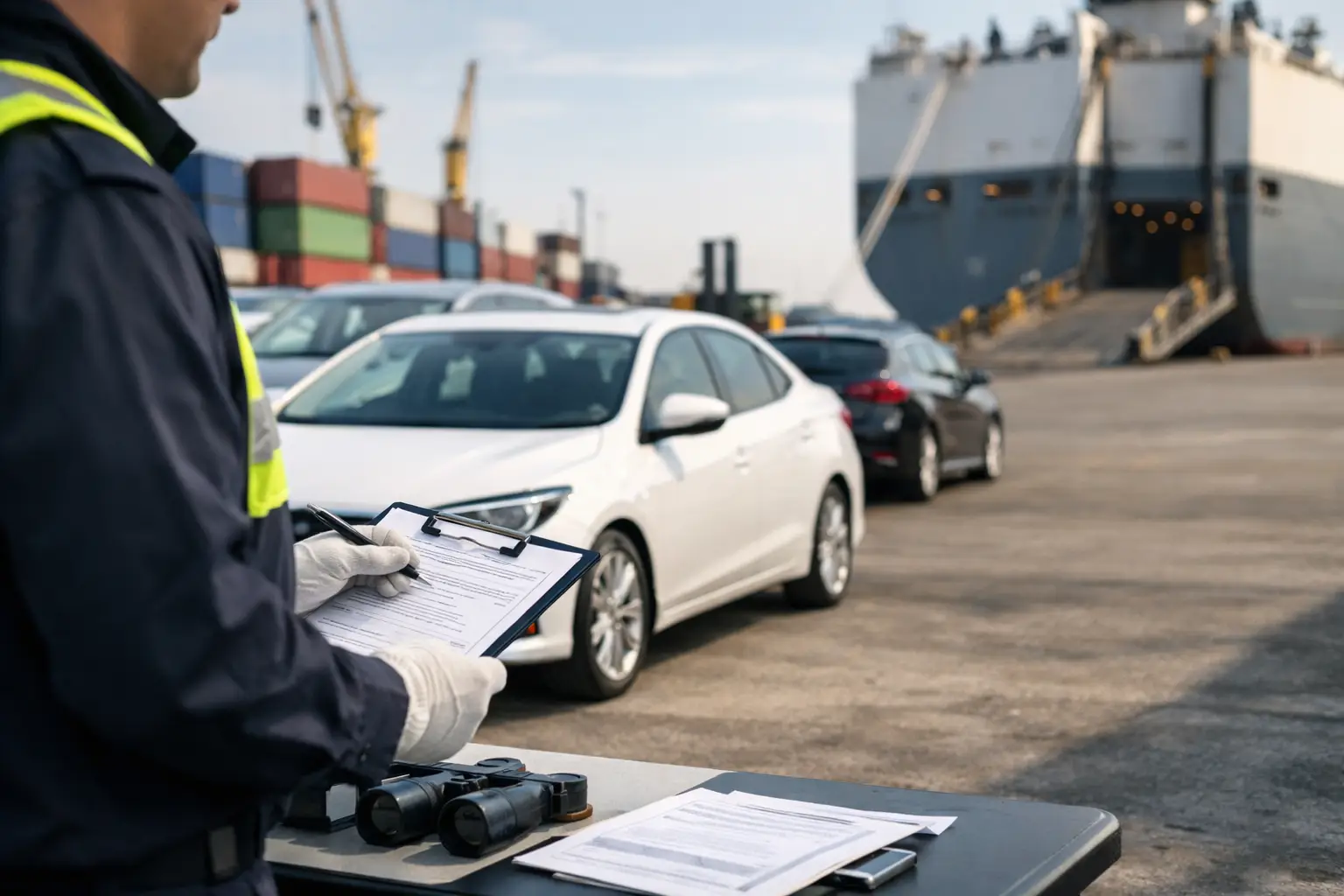
A vehicle can arrive at the port in excellent condition and still be held up by one missing document, an inconsistent purchase value, or a clearance step handled too late. For buyers bringing a vehicle into the Cayman Islands, customs compliance requirements for imported cars are not a formality to address after shipping is booked. They shape the cost, timing, and certainty of the entire import.
For a personal vehicle, collector car, performance model, or luxury purchase, the objective is straightforward: establish the vehicle’s identity and value clearly, submit the required information accurately, and coordinate the release process before avoidable storage charges or delays begin. The details vary by vehicle and transaction, but disciplined preparation protects both the asset and the owner.
Why Customs Compliance Begins Before the Car Ships
Customs clearance is often viewed as the final checkpoint. In practice, it begins when the vehicle is selected and purchased. The purchase price, vehicle specifications, origin, shipping method, and supporting paperwork all influence how the import is assessed and processed on arrival.
This matters most when the vehicle is high-value, specialized, modified, or purchased through a dealer, auction, or private seller. A clean-looking invoice is not always enough on its own. Customs authorities need a reliable basis for identifying the vehicle and determining its declared value. If information conflicts across the sales agreement, title, shipping documents, and declaration, the shipment may require further review.
Early compliance planning also gives the owner a clearer picture of landed cost. The vehicle price is only one part of the commitment. Shipping, insurance, applicable duties and fees, port handling, customs processing, and delivery should all be considered before funds are committed. A transparent estimate is far more useful than a low initial shipping quote that leaves critical charges until the vehicle reaches Cayman.
Customs Compliance Requirements for Imported Cars
The core requirement is accurate, complete documentation that supports the vehicle’s ownership, value, shipment, and intended import. The exact documents and process can depend on the shipment structure, the vehicle’s condition, and current regulatory requirements, but a well-prepared file generally includes the following records.
Proof of Purchase and Declared Value
A commercial invoice, bill of sale, dealer purchase agreement, or auction invoice should identify the buyer, seller, vehicle description, VIN, purchase price, and date of sale. The information should be consistent with the amount being declared to customs.
Valuation deserves close attention. Customs may assess the declared value using the transaction documents and may seek clarification where a price appears incomplete or does not align with the vehicle’s specifications and condition. Side agreements, omitted options, or informal payment arrangements create unnecessary risk. For a premium vehicle, detailed supporting records are particularly valuable because they demonstrate that the declared amount is credible and traceable.
Ownership and Vehicle Identification Documents
The original title, registration documentation, or other ownership records are essential to establishing the vehicle’s legal identity. The VIN must match across every key document, including the title, purchase records, shipping paperwork, and customs declaration.
A single transposed VIN character can delay release while the discrepancy is investigated. Before the vehicle leaves the seller or consolidation facility, confirm that the VIN is complete, legible, and identical on all records. This is a small control with significant value.
Shipping Documents
The bill of lading is central to the clearance process. It connects the vehicle to the shipment and identifies the consignee, port details, and transportation arrangement. Depending on the shipping method, additional carrier documents may be required.
Owners should also confirm that the consignee details are correct before the bill of lading is finalized. A late change can be possible, but it may add cost, paperwork, and delay. When a vehicle is being shipped from South Florida or another regional gateway, coordination between the seller, carrier, shipping agent, and customs representative should be established well before sailing.
Import Declarations and Supporting Identification
The importer or appointed representative must provide the information required for the customs entry. This typically includes the vehicle details, declared value, shipping information, and documents supporting ownership and purchase. Personal identification and authorization documents may also be needed when a customs coordinator is acting on the owner’s behalf.
Requirements can change, and certain circumstances call for additional records. A vehicle that is financed, purchased at auction, imported by a company, or arriving with accessories or spare parts may need more careful documentation. The right approach is to identify those variables early rather than treating the car as a standard shipment.
Duties, Fees, and the Importance of Correct Classification
Import charges are determined by more than the vehicle’s sticker price. The customs treatment can depend on the type of vehicle, its value, specifications, and the applicable rules at the time of import. A passenger vehicle, commercial vehicle, classic automobile, electric vehicle, or specialty model may not all be assessed in the same way.
For that reason, buyers should avoid relying on generic duty estimates or a friend’s experience with a different vehicle. A cost projection should be based on the actual VIN-level details and current customs treatment, with shipping and related import costs clearly separated from the vehicle purchase price.
Correct classification matters because errors can lead to reassessment, additional payment, or release delays. It also matters when accessories are included. High-value wheels, performance components, electronics, or separately shipped parts should be declared correctly rather than treated as an afterthought. Clear documentation helps show what belongs to the vehicle purchase and what was acquired separately.
Compliance Does Not End at Port Release
Customs release is a major milestone, but it is not always the final step before the vehicle can be used on the road. Registration, licensing, insurance, inspections, and roadworthiness requirements may apply after clearance. These processes should be planned around the vehicle’s arrival so the car does not sit unnecessarily once it has been released.
This is especially relevant for vehicles with modifications. Window tint, lighting changes, exhaust systems, suspension adjustments, right-hand-drive conversions, and nonstandard wheel or tire configurations can affect whether a vehicle is suitable for local road use. A buyer may have purchased a fully legal vehicle in the United States, but that does not automatically mean every modification meets Cayman requirements.
The same principle applies to classic and collector vehicles. Their documentation and valuation may require greater care, and their mechanical condition should be considered realistically before shipping. A rare vehicle deserves specialized handling, but it also deserves an import plan that accounts for its practical use after arrival.
Common Compliance Mistakes That Create Delays
Most delays are preventable. They usually arise from incomplete preparation rather than unusual customs problems. The most frequent issues include inconsistent names across documents, missing title records, an invoice that lacks a VIN or clear vehicle description, and shipping instructions issued before the buyer’s details are confirmed.
Another common mistake is underestimating the timing of the process. Documents may need review before the vessel arrives, and customs clearance, port release, and final delivery all require coordination. Waiting until the car is already in Cayman limits options and can increase storage exposure.
There is also a trade-off between handling the process personally and appointing a specialist. A straightforward, low-value vehicle with complete documentation may be manageable for an experienced importer. A luxury, collector, financed, auction-purchased, or modified vehicle has more moving parts. In those cases, professional coordination can provide meaningful control over documentation, valuation support, port handling, and delivery scheduling.
A More Controlled Import Process
A controlled import begins with a document review before shipping is booked. Confirm the vehicle’s title status, VIN, seller paperwork, purchase amount, and shipping destination. Then build a complete cost picture, prepare the customs entry information, and ensure the shipping documents name the correct consignee.
Once the vehicle is in transit, the focus shifts to arrival readiness. The customs file should be complete, payment requirements understood, and collection or delivery arrangements planned. This is where a managed import partner earns its value: not by making compliance disappear, but by organizing it with precision and keeping the owner informed at every meaningful stage.
For high-value vehicles, the best import experience is rarely the one with the fewest emails. It is the one where every document has a purpose, every cost is visible, and the vehicle is handled with the same care that went into choosing it.
