

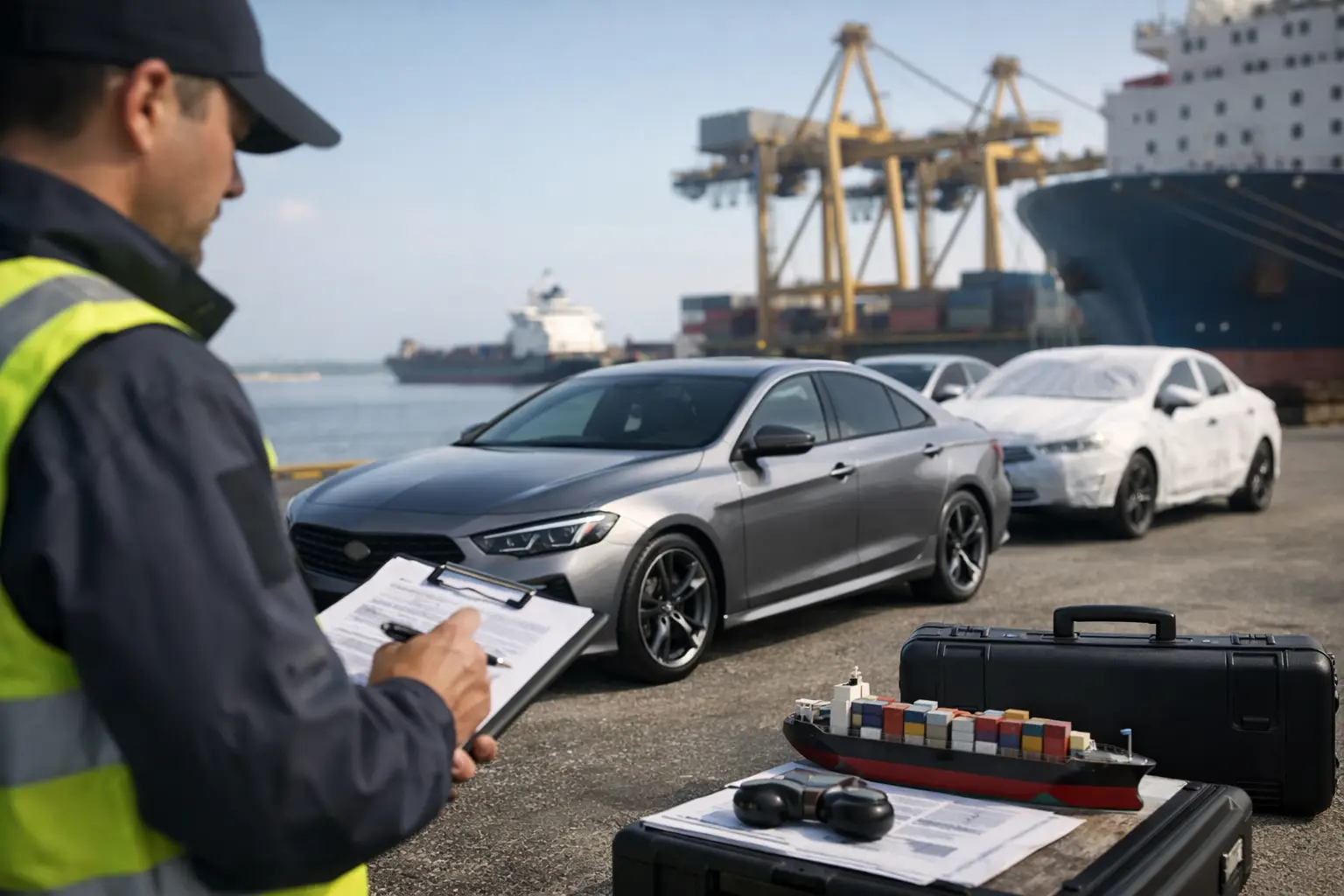
The costly surprises rarely happen on the water. They happen when the car arrives and the paperwork does not line up with customs requirements. That is why customs clearance explained for car imports matters so much to vehicle buyers bringing a car into the Cayman Islands. A missed document, an incorrect declared value, or a misunderstanding about duties can turn an exciting purchase into a delay that costs time, money, and patience.
For high-value vehicles, performance cars, classics, and personal imports, customs clearance is not just a formality. It is the checkpoint where ownership records, shipping documents, valuation, taxes, and compliance all have to agree. When they do, the process moves forward with control. When they do not, even a straightforward shipment can stall.
What customs clearance means for car imports
At its core, customs clearance is the official process of presenting an imported vehicle to customs authorities, submitting the required documentation, confirming the vehicle’s value and classification, and paying the duties and fees needed for entry. Once that process is complete, the car can be legally released.
That sounds simple on paper. In practice, there are several moving parts, and each one affects the next. The bill of sale must match the ownership documents. The shipping paperwork must reflect the actual vehicle being imported. The declared value must be credible and supportable. If customs has questions at any point, release can be delayed until those questions are resolved.
For importers, the real issue is not whether customs clearance happens. It will. The question is whether it happens efficiently and correctly, with the vehicle protected from avoidable delays, storage costs, and administrative friction.
Customs clearance explained for car imports: the main stages
The process typically begins before the vehicle ever leaves its origin point. That is where many successful imports are won or lost. If the vehicle title, purchase invoice, export paperwork, and shipping instructions are prepared correctly at the outset, customs review is usually far more predictable on arrival.
1. Document preparation before shipping
The most common documents include proof of ownership, purchase invoice or bill of sale, shipping documents, identification for the importer, and any forms required for local entry. Depending on the vehicle and the shipment structure, additional documents may be requested.
This stage matters because customs does not assess a car based on assumptions. It assesses the vehicle based on records. If the records are incomplete or inconsistent, clearance becomes slower and more expensive to manage.
2. Arrival and customs presentation
Once the vehicle reaches port, it is formally presented for customs processing. At that point, customs reviews the submitted documents, confirms the vehicle details, and assesses the applicable import charges.
This is also where classification and valuation become important. A routine personal vehicle may be relatively straightforward. A collector car, modified performance vehicle, or specialty import may require more careful handling because the value, condition, or market comparison is less obvious.
3. Duties, taxes, and fees
Import costs are one of the biggest sources of confusion. Buyers often focus on the purchase price and shipping cost, then underestimate what happens at entry. Customs charges are generally calculated based on the customs value of the vehicle and other applicable costs, depending on local rules.
This is why landed cost planning matters. A car that looks like a good purchase in Florida may look very different after freight, insurance, duty, port handling, and clearance costs are added. Serious importers want that number understood early, not after the vessel arrives.
4. Inspection or verification, if required
Not every shipment encounters the same level of scrutiny, but customs may inspect or verify vehicle details as part of the release process. That can include checking VIN information, condition, declared value, or supporting records.
Inspection is not necessarily a problem. It becomes a problem when the file is weak. If the documentation is organized and accurate, verification is usually manageable. If it is not, the process can slow down quickly.
5. Release and delivery
After customs requirements are satisfied and charges are paid, the vehicle can be released. From there, it moves into the final delivery stage or onward local handling.
For owners importing a valuable vehicle, this final step is about more than possession. It is about confirming the asset has been managed properly all the way from pickup to release.
Why car imports get delayed at customs
Most delays are not caused by customs being unpredictable. They are caused by preventable gaps in preparation. The invoice may not match the shipping papers. The declared value may raise questions. The title may not be available when needed. Sometimes the issue is simply that the importer did not realize how much coordination was required between seller, shipper, broker, and port.
Vehicle type also matters. A late-model daily driver with clean records is often easier to process than a heavily modified vehicle, a rare classic, or a luxury car purchased through a more complex transaction. The more specialized the asset, the more important it is to have clean documentation and a clear valuation trail.
There is also a timing issue. People assume customs clearance begins when the vessel arrives. In reality, good clearance work starts much earlier. Waiting until the shipment lands to organize the file is where unnecessary pressure begins.
The valuation question that catches many buyers off guard
Customs valuation is one area where people make expensive assumptions. Many buyers think the amount they paid is the only number that matters. Sometimes it is. Sometimes customs will look more closely at market value, supporting documentation, condition, and the nature of the sale.
That does not mean importers should be concerned if they purchased well. It means they should be prepared to support the declared value properly. A luxury vehicle sold below market, a classic with restoration issues, or a vehicle bought through a private arrangement may need stronger documentation to avoid questions.
When the value is clear and defensible, clearance is easier. When it is vague or poorly documented, everything slows down.
How to make customs clearance smoother
The most effective way to reduce friction is to treat customs as part of the purchase decision, not an afterthought. Before committing to the vehicle, confirm what documents will be available, what the likely landed cost will be, and whether the car presents any special valuation or compliance issues.
It also helps to work with one coordinated process rather than a chain of disconnected providers. Importers often run into trouble when the seller handles one part, a freight company handles another, and the buyer is left trying to reconcile documents at the end. A managed approach creates consistency from sourcing support through shipping, customs, and delivery.
For Cayman-bound imports, precision matters because island logistics leave less room for correction once the vehicle is already in motion. That is one reason many clients choose a specialist such as Waypoint Imports to manage the process from start to finish. The goal is not just getting the vehicle cleared. It is getting it cleared with complete professionalism and without exposing the owner to unnecessary risk.
Customs clearance explained for car imports with the right expectations
The best way to think about customs clearance is as a control process, not a barrier. It exists to confirm that the vehicle entering the country is properly declared, correctly valued, and legally documented. For the importer, that means success depends less on luck and more on preparation.
If you are importing a vehicle into the Cayman Islands, especially one with significant value, do not judge the process only by how fast the ship can move. Judge it by how well the file is built before departure, how accurately costs are understood, and how carefully the vehicle is managed on arrival. That is what turns customs clearance from a source of stress into a process handled with precision.
A well-bought car deserves a well-managed entry. The smoother path is almost always the one planned early, documented clearly, and executed with care.
