

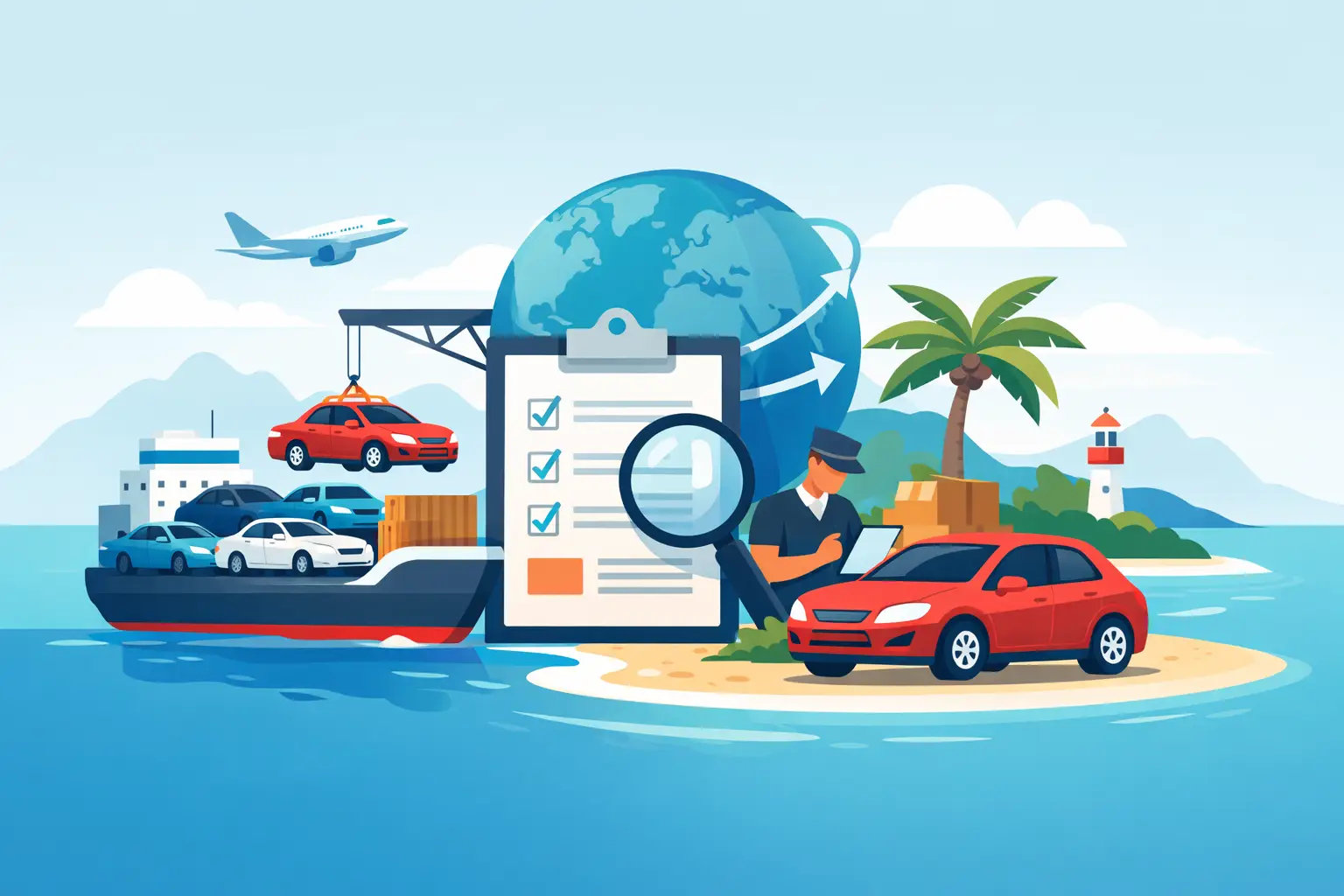
A vehicle can look perfect on a dealer lot in Miami and still become an expensive problem by the time it reaches Grand Cayman. Most issues happen before the keys ever change hands locally – incomplete paperwork, misread duty exposure, shipping choices that do not suit the vehicle, or clearance delays that could have been prevented. That is why understanding the vehicle import process Cayman Islands buyers face matters well before booking transport.
For personal vehicles, luxury models, performance cars, and collector automobiles, the process is less about moving cargo and more about protecting value. The right approach keeps the transaction compliant, the timeline controlled, and the landed cost clear from the start. The wrong approach usually shows up as extra fees, avoidable delays, and stress at the worst possible moment.
How the vehicle import process in the Cayman Islands works
At a high level, the process follows a predictable path: pre-purchase review, shipping coordination, document preparation, customs clearance, duty and fee assessment, and final collection or delivery. What changes from one import to another is the amount of coordination required.
A standard personal vehicle with straightforward paperwork is one thing. A high-value SUV, a low-clearance performance car, or a classic vehicle with special handling needs is another. The more valuable or specialized the asset, the less room there is for assumptions.
The first step is confirming that the vehicle itself is suitable for import. Buyers often focus on price and condition, but import suitability also includes title status, export readiness, the accuracy of the seller’s paperwork, and whether the vehicle’s value and specifications align with the likely duty and shipping profile. If there is a mismatch here, every later stage becomes harder.
Before shipping, get the numbers and documents right
The cleanest imports usually start with a cost review before the vehicle is purchased or released for transport. That means looking at the purchase price, freight cost, insurance considerations, import duty exposure, and local handling requirements together rather than as separate line items.
This is where many buyers underestimate the real landed cost. A vehicle that appears to be a strong buy in the US market can become less attractive once shipping, customs valuation, and local fees are added. On the other hand, a more expensive vehicle with better documentation and easier logistics may actually produce a smoother and more predictable outcome.
Documentation is equally important. Exact requirements can vary based on the vehicle and transaction, but importers generally need the core ownership and shipping records to be accurate, complete, and consistent. If the bill of sale, title, identification details, and transport paperwork do not align, customs clearance can slow down quickly.
For financed or recently purchased vehicles, timing also matters. If a title has not been properly released or export arrangements are incomplete, shipping may be delayed before the vehicle even leaves origin. That is one reason experienced importers prefer to coordinate the process early instead of trying to fix documentation once the car is already in transit.
Choosing the right shipping method
Shipping is not a minor detail in the vehicle import process Cayman Islands clients should treat casually. The transport method affects cost, timing, handling risk, and the condition in which the vehicle arrives.
For many vehicles, containerized shipping offers the most controlled environment. It provides better protection from the elements and from incidental handling risk, which is especially valuable for luxury, collector, and specialty vehicles. It can also be the better choice when the owner wants tighter oversight of how the asset is secured during transit.
Other options may be appropriate in certain cases, especially when balancing budget and urgency. But lower upfront freight cost is not always the same as better value. A shipping method that exposes a high-end vehicle to greater risk or complicates port handling can become expensive in less obvious ways.
Condition reports, photographs, and careful loading oversight matter here. For premium assets, shipping should never be treated as a generic handoff. It should be managed as a chain of custody.
Customs clearance and duty assessment
Once the vehicle reaches the Cayman Islands, customs clearance becomes the critical stage. This is where preparation either pays off or falls apart.
Customs authorities will assess the import based on the submitted documentation, declared value, and applicable fees and duties. Accuracy matters. If values are unclear, documents are inconsistent, or the file raises questions, the clearance process can take longer than expected.
This is also where buyers can be caught off guard by the difference between what they paid for the vehicle and how import costs are calculated. Customs treatment depends on the relevant valuation framework and supporting documents, not just what a buyer hoped the numbers would look like. Clear records and realistic expectations are essential.
The practical goal is straightforward: submit a clean, well-supported file that allows the vehicle to move through clearance without unnecessary friction. That requires organization, familiarity with local procedures, and attention to detail. For high-value imports, those details are not administrative trivia. They directly affect timing, cost, and confidence.
Why imported vehicles get delayed
Most delays are preventable. They tend to come from the same issues again and again: missing paperwork, title problems, valuation confusion, seller-side export delays, and shipping arrangements that were made without considering the clearance stage in Cayman.
Another common issue is assuming all vehicles should be handled the same way. A family SUV, a restored classic, and an exotic coupe may all be “vehicles,” but they present very different transport and clearance considerations. Specialty imports often need more deliberate planning around handling, documentation, and timing.
Buyers also run into problems when they rely on fragmented providers. One party arranges inland transport, another books ocean freight, another handles customs, and no one owns the process from start to finish. When something goes wrong, responsibility becomes unclear. That usually means more calls, more waiting, and less control.
What a professionally managed import changes
A fully managed import process is not just about convenience. It creates consistency across every stage, from purchase support through final delivery.
When one experienced team coordinates the shipment, documents, customs preparation, and local handoff, small issues are identified earlier. A title discrepancy can be flagged before departure. A shipping method can be adjusted based on the vehicle’s value and profile. Duty exposure can be explained before the buyer commits. That level of control reduces surprises.
For clients importing expensive vehicles, that matters. Peace of mind comes from knowing the process is being handled with precision, not improvised step by step. Professional coordination also helps protect resale value by reducing the risk of avoidable damage, delay, or administrative complications.
This is where a specialist such as Waypoint Imports fits naturally into the process. The value is not simply booking freight. It is managing the full chain with transparency, clear communication, and disciplined execution.
The vehicle import process Cayman Islands buyers should expect
The best experience is one where each stage is defined before the vehicle moves. You should know what documents are required, how the vehicle will be shipped, what cost categories apply, what customs steps are expected, and how final collection or delivery will work once the vehicle clears.
You should also expect honest answers when something depends on the specifics. Importing a late-model daily driver is not the same as importing a rare collector car. Duty, transit method, scheduling, and handling requirements can differ. A trustworthy import partner does not flatten those differences. They explain them clearly so decisions can be made with confidence.
That clarity is especially useful for expatriates, overseas buyers, and first-time importers who are balancing logistics with a relocation, a property purchase, or a time-sensitive acquisition. In those cases, speed matters, but control matters more.
Final delivery and handover
Once customs clearance is complete, the final stage is collection or delivery. This sounds simple, but it is still part of the asset protection process. The vehicle should be handled carefully, released properly, and delivered in the same condition in which it was expected.
For premium imports, the handover is not just the end of a transaction. It is the point where all the planning either feels worth it or clearly was not. A smooth final delivery reflects a process that was organized correctly from the beginning.
If you are considering importing a vehicle into Cayman, the smartest move is to slow down at the start. Get the numbers right, confirm the paperwork, choose the shipping method carefully, and work with people who treat the process with complete professionalism. A well-managed import does more than get a vehicle to the island – it protects the investment all the way there.
