

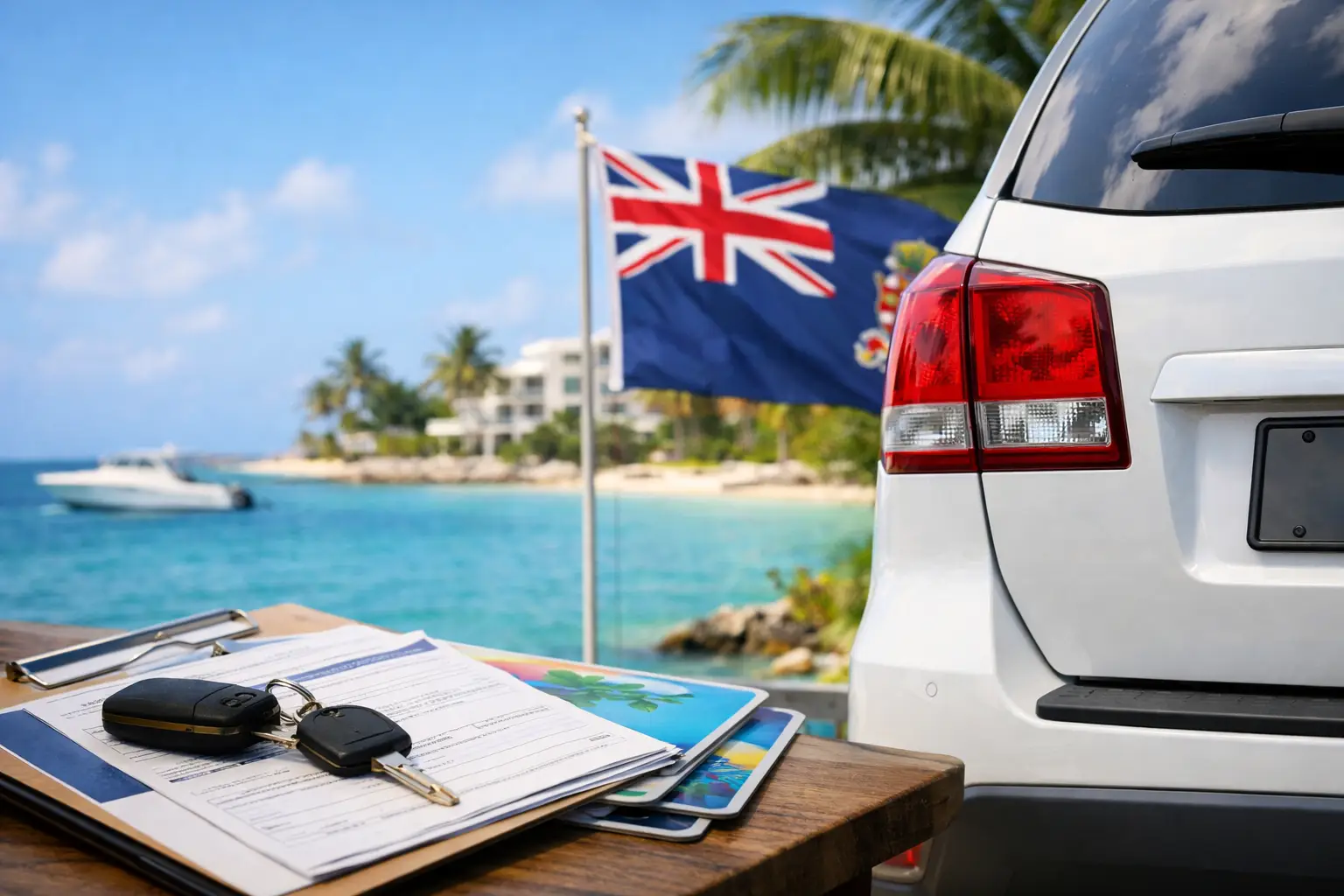
A vehicle is not ready for Cayman roads when it arrives at the port. It is ready when its import paperwork, inspection, insurance, and licensing are all in place. This Cayman Islands vehicle registration guide explains the practical sequence, so you can plan your vehicle import with fewer last-minute decisions and a clearer view of what happens after arrival.
For a first-time importer, registration can feel like one item on a long list. In practice, it is the final stage of several connected steps. Customs clearance establishes that the vehicle has entered the Islands properly. Inspection confirms it meets applicable roadworthiness requirements. Insurance and licensing complete the process before the vehicle is used on public roads.
Start with the vehicle, not the registration form
The easiest registration process begins before you buy or ship the vehicle. Confirm that the vehicle is suitable for use in the Cayman Islands, that its ownership documents are complete, and that its condition will support a successful inspection.
Cayman drives on the left, so driving position, headlamp alignment, visibility, and overall vehicle configuration deserve attention before purchase. Requirements can differ based on the vehicle’s age, type, and intended use. A passenger car, commercial truck, motorcycle, and specialty vehicle may not follow exactly the same path.
For used vehicles, condition matters as much as paperwork. Worn tires, damaged lights, a cracked windshield, brake concerns, or emissions-related issues can create work after arrival. Addressing known maintenance needs before shipping is often more convenient than trying to source parts and schedule repairs while the vehicle is awaiting registration.
If you are buying from a dealer or private seller overseas, ask for clear copies of the title or registration document, purchase invoice, and vehicle identification number. Make sure the VIN on the documents matches the vehicle itself. A small mismatch can take time to resolve once the vehicle is in Cayman.
Separate customs clearance from vehicle registration
A common point of confusion is treating customs clearance and registration as the same event. They are connected, but they serve different purposes.
Customs clearance is the process of declaring the imported vehicle, providing its value and supporting documents, and paying applicable import duties and fees. Registration is handled afterward through the relevant vehicle licensing authority. You generally need evidence that the vehicle has been cleared before it can move through the licensing process.
Your import file should be organized from the beginning. Keep the purchase invoice, proof of payment, ownership documents, shipping records, VIN details, and any clearance documents together. If the vehicle was purchased through an auction, retain the auction invoice and itemized charges as well. The declared value and supporting paperwork should tell a consistent story.
This is where a managed import process can make a meaningful difference. Waypoint Imports helps customers coordinate vehicle shipping, customs clearance, documentation, status updates, and next steps through one account. That visibility is particularly useful for high-value vehicles, relocations, and first-time imports, where several parties may be involved before the vehicle reaches the licensing stage.
What to prepare for Cayman Islands vehicle registration
Once the vehicle has cleared customs, prepare the documents and practical requirements needed for inspection and licensing. Requirements can change, so confirm the current list with the Department of Vehicle and Drivers’ Licensing before attending. As a working checklist, expect to need documentation that establishes the vehicle’s identity, its lawful import, and its eligibility for use on the road.
This will commonly include the vehicle’s original ownership documentation, customs clearance paperwork, valid insurance, and identification for the person registering the vehicle. If someone else is handling part of the process for you, they may also need written authorization. For company-owned vehicles, have the relevant business documentation and authorized representative details available.
Do not assume a temporary tag, shipping document, or overseas registration allows normal road use in Cayman. Ask the relevant authority or your import coordinator how the vehicle may be moved from its arrival location to inspection or licensing. This is especially relevant when timing, storage arrangements, or repair work are involved.
Arrange insurance before licensing
Insurance is not simply an administrative checkbox. It protects you, your passengers, and other road users from the first time the vehicle is legally on the road. Speak with a local insurer early enough to understand what information they require. They may ask for the VIN, make and model, declared value, driver details, and proof of ownership.
Coverage options and premiums depend on the vehicle and driver profile. A new luxury SUV, an older daily driver, and a commercial vehicle will not necessarily be assessed the same way. Be clear about how the vehicle will be used, who will drive it, and whether it will be kept at a residential or commercial location.
Complete the vehicle inspection
Vehicles typically need to pass an inspection before licensing. The inspection is designed to confirm that the vehicle is safe and properly equipped for road use. While the exact checks can vary, practical preparation should cover lights, indicators, brakes, tires, mirrors, windshield condition, horn, seat belts, and visible vehicle identification details.
Give yourself time for this stage. If an issue is identified, the vehicle may need repairs and a follow-up inspection before registration can be completed. That does not mean the process has gone wrong. It means the vehicle needs to meet the required standard before it is licensed for public roads.
Owners of modified, classic, electric, oversized, or commercial vehicles should confirm whether any additional review applies. The more unusual the vehicle, the less helpful it is to rely on a standard passenger-car checklist.
License the vehicle and receive its plates
After customs clearance, insurance, and any required inspection are complete, you can apply to license and register the vehicle. At this stage, the licensing authority records the vehicle, assigns or confirms its registration details, and issues plates and licensing documentation as applicable.
Fees may vary based on factors such as vehicle category, weight, use, and licensing period. Rather than building a budget around an old estimate, request current figures before the vehicle arrives. This gives you a more accurate view of the total cost beyond the purchase price and ocean freight.
Review every detail before leaving the counter or completing an online step: the VIN, owner name, vehicle description, plate number, and insurance information. Correcting an error later can require additional paperwork, so a careful review is worthwhile.
Keep the vehicle’s registration and insurance documents accessible, and make a note of renewal dates. Registration is an ongoing responsibility, not a one-time arrival task. A simple calendar reminder or digital record can prevent an avoidable lapse in licensing or coverage.
Plan the timeline around real dependencies
The fastest-looking path is not always the most predictable one. A vehicle cannot be fully registered until prior steps are complete, and each step depends on accurate documents, agency availability, inspection readiness, and payment confirmation.
If you are relocating, avoid scheduling your first essential driving day immediately after the vessel’s expected arrival. Sailing schedules, customs review, document collection, inspection appointments, and repair needs can affect timing. Build in a reasonable buffer and arrange alternative transportation if the vehicle is critical for work, school, or family logistics.
Businesses should apply the same discipline at scale. For fleet vehicles, equipment trucks, or service vans, create a file for each VIN and assign responsibility for insurance, inspections, licensing, and renewal tracking. This reduces the chance that one missing document holds up a vehicle needed for operations.
A clear process creates confidence
Vehicle registration is the point where an imported vehicle becomes part of everyday life in Cayman. Treat it as a planned sequence rather than a final errand: buy the right vehicle, preserve complete documents, clear customs correctly, prepare for inspection, arrange suitable insurance, and license it with accurate information.
When every stage is visible and organized, you can focus less on chasing paperwork and more on enjoying the vehicle once it is properly ready for the road.
